Final Fantasy 14 Mobile Shuts Down After Year in China
 James Whitfield
2 min read
James Whitfield
2 min read
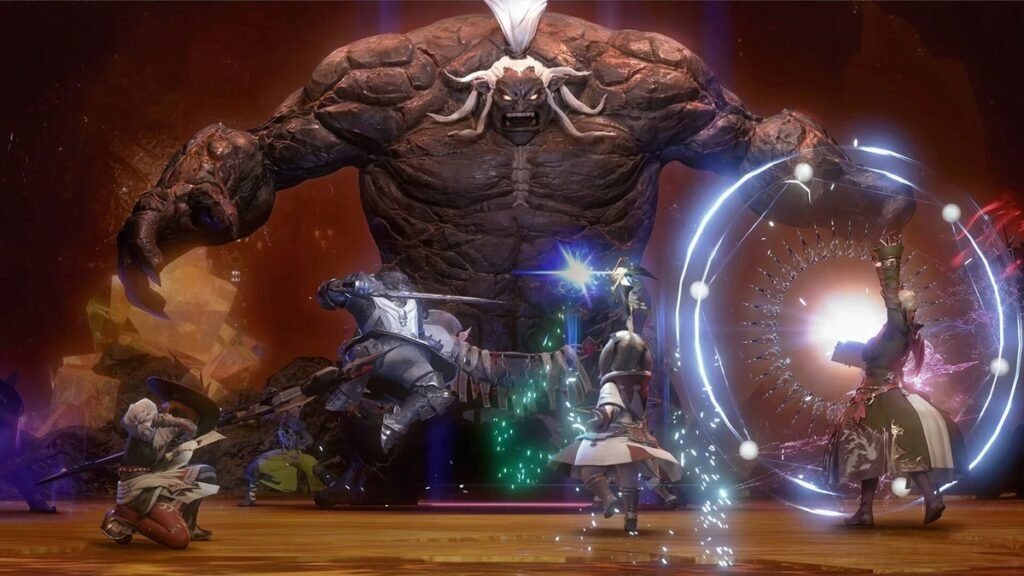
Final Fantasy 14 Mobile has officially ceased operations, ending its exclusive run in China just over a year after launch. The mobile adaptation's servers went offline today, with players no longer able to access the game. Support forums and customer assistance will follow on October 15.
Square Enix terminated its partnership with Tencent, the Chinese tech giant handling the mobile version's distribution, following what the publisher described as amicable negotiations. The company cited shifts in business strategy and market conditions as reasons for the split, though it provided no further specifics about what prompted the decision. In a statement released earlier this year, Square Enix apologized to players, acknowledging it had failed to meet expectations.
The mobile game was never intended to remain China-exclusive. Square Enix had originally planned a worldwide rollout, but the licensing termination in July led to the cancellation of that global expansion entirely. The Chinese version was subsequently scheduled for shutdown on September 30, which has now taken effect.
While the exact cause remains unclear, industry observers have speculated that poor performance in China's saturated mobile gaming market may have influenced the decision. The country's competitive landscape could have raised concerns about the game's viability internationally, potentially making Square Enix reconsider the broader release strategy.
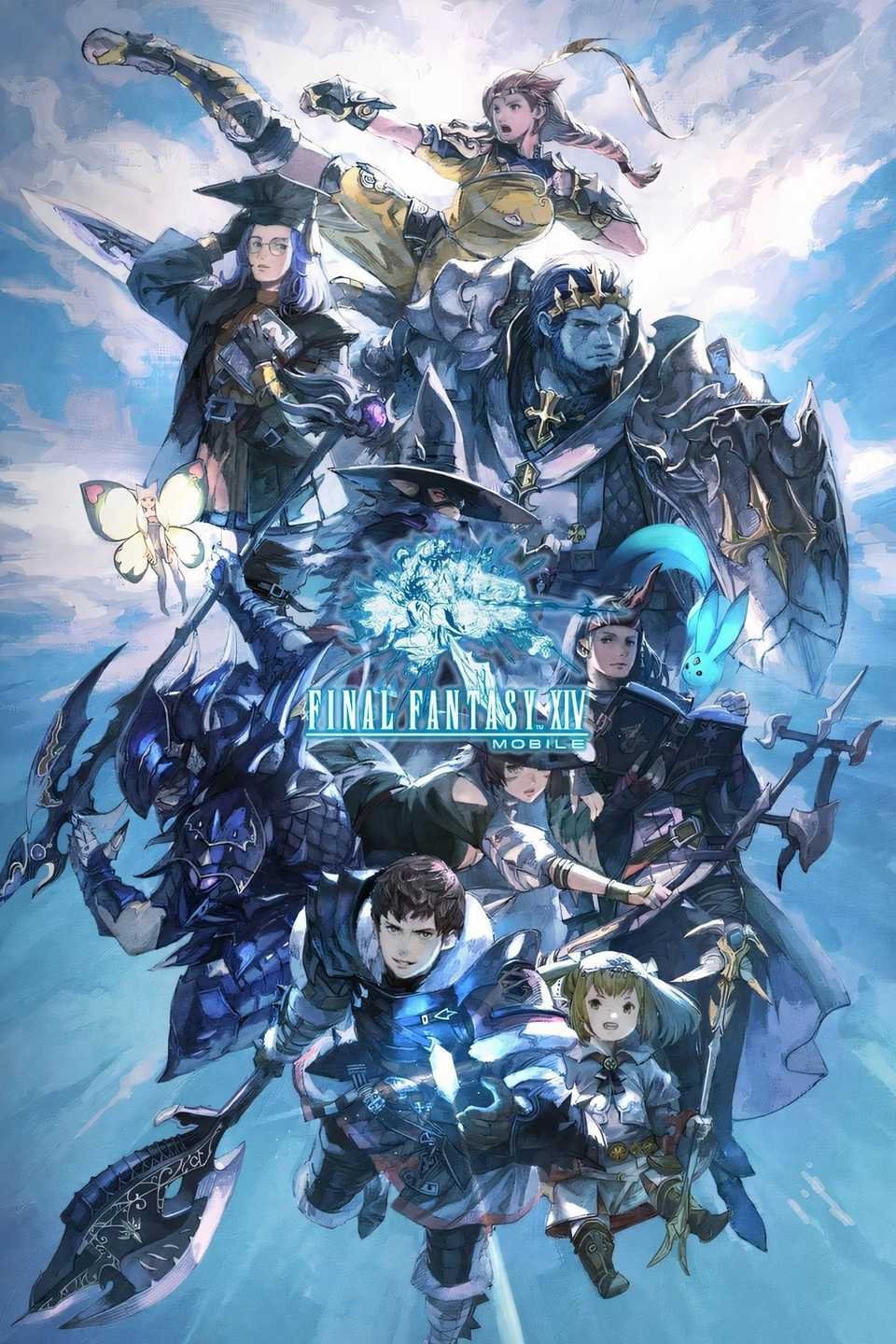

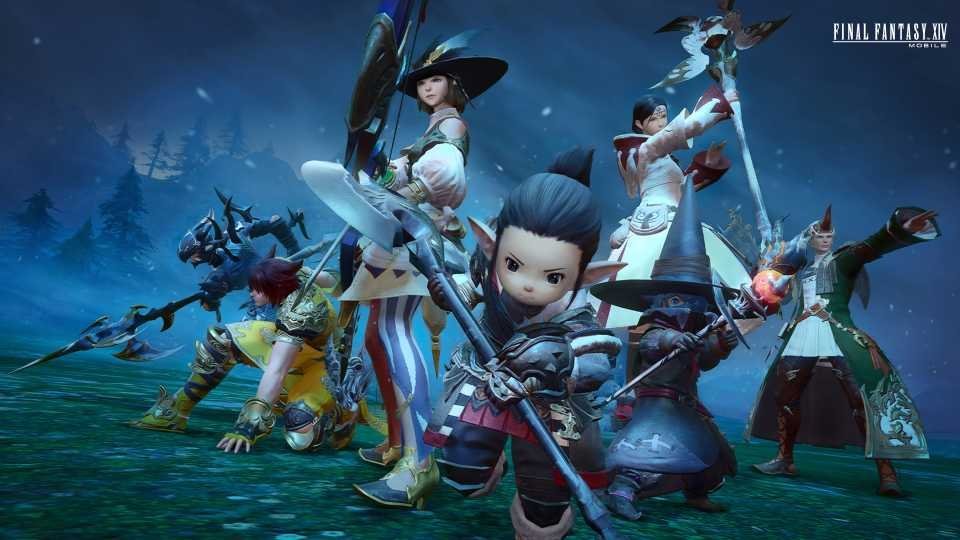

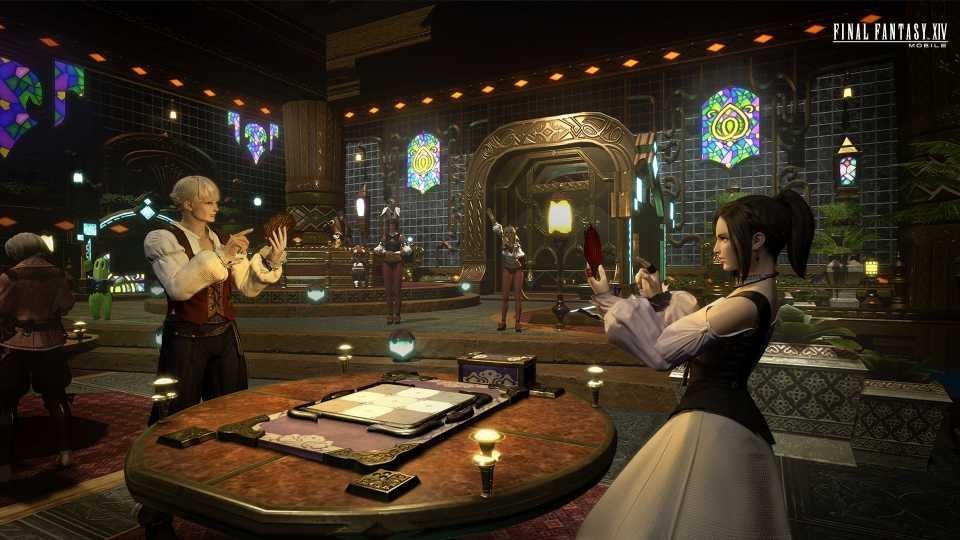
The canceled mobile title represented a substantial undertaking beyond a simple downscaled version of the existing MMO. Developers rebuilt the game specifically for touchscreen interfaces and implemented significant modifications to combat mechanics, character progression, and customization systems to adapt the Final Fantasy 14 experience for mobile players. Square Enix had envisioned using the Chinese launch as a testing ground to refine the game before introducing it to Western audiences, meaning the version that shut down today would have evolved considerably before any global debut. With the licensing agreement now dissolved, those development plans will never come to fruition.