Gorilla Grodd Spotted Singing in DCU’s New Comedy Show
 James Whitfield
2 min read
James Whitfield
2 min read
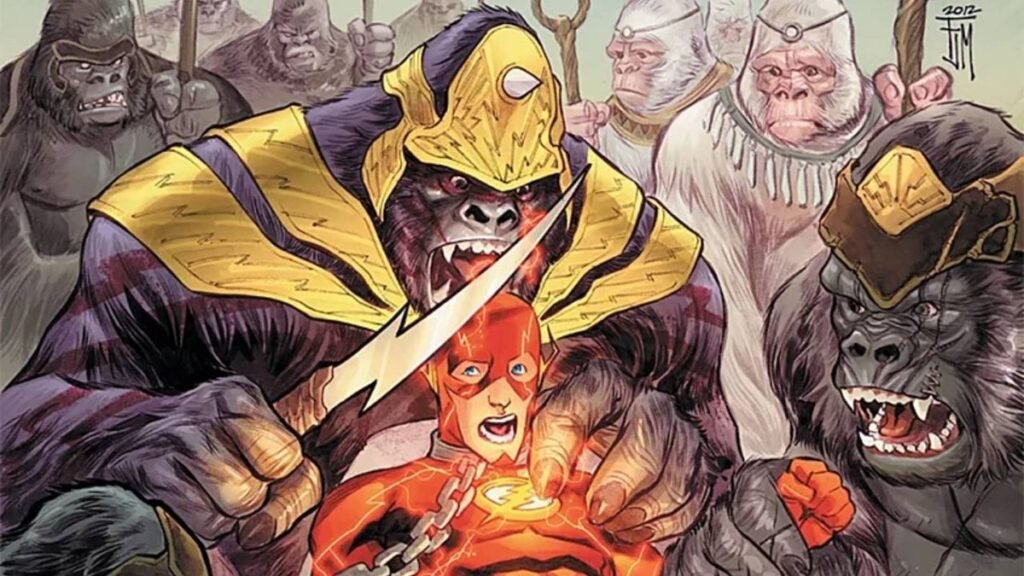
Production has begun on The People Vs. Gorilla Grodd, a mockumentary comedy set within James Gunn's reimagined DC Universe, with early set footage revealing an unexpected take on the classic villain. Filmed at Georgia Institute of Technology in Atlanta, the show depicts Gorilla Grodd during his college years in the 1980s, complete with scenes of the character singing in an acapella group and dancing in formal wear.
Students at the Atlanta campus have shared videos from the first day of filming, offering the first public glimpse at how the DCU is portraying the notorious gorilla. The character currently appears as a realistic anthropomorphic gorilla, though it remains unclear whether this is a practical costume that will be replaced with CGI in post-production or the final design choice for the series.
The reveal has generated sharply divided reactions across social media. Supporters of the project have praised its comedic direction, with some expressing enthusiasm about the tonal shift. One viewer called it potentially "the best superhero movie or show ever released," while another declared it "peak comedy gold." Several fans have celebrated the show's apparent irreverence, with one comparing it favorably to acclaimed television dramas.
However, not all responses have been positive. Some fans concerned with faithfulness to source material have criticized the approach, arguing that the character has been reduced to a joke. Critics pointed out that the portrayal strays significantly from Gorilla Grodd's comic book history, with one viewer suggesting that other gorilla characters from DC Comics would have been better suited for a comedic treatment.
The Gorilla Grodd project exemplifies the varied creative directions Gunn is pursuing across his DCU slate. Alongside this comedy mockumentary, the universe includes a body horror interpretation of Clayface and Lanterns, a gritty crime thriller series. This eclectic mix of tones and genres suggests Gunn's vision for the DCU prioritizes experimentation and diversity in storytelling approaches rather than a unified aesthetic.
The boldness of these creative choices reflects a deliberate strategy to differentiate DC's cinematic output. By allowing individual projects to explore distinct genres and comedic sensibilities, the DCU appears positioned to offer audiences a wider range of entertainment experiences than traditional superhero franchises typically provide.