
Microsoft Patents In-Game Ads Triggered by Boss Fights
 James Whitfield
2 min read
James Whitfield
2 min read
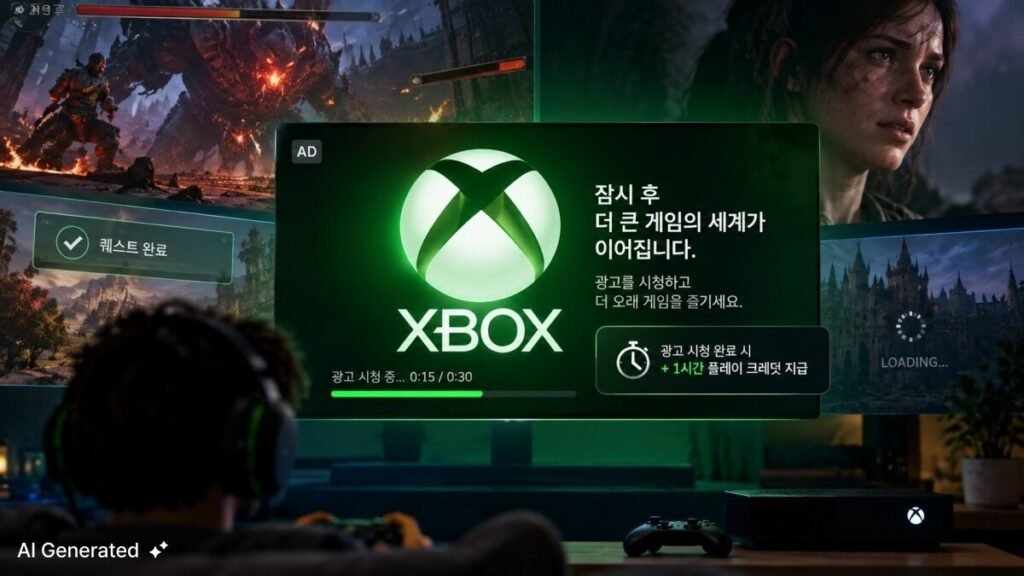
Microsoft has secured a patent application for a system designed to insert advertisements into video games at strategic moments, such as after defeating bosses, completing quests, or finishing cutscenes. The technology, published by the United States Patent and Trademark Office on September 3 under the title "Contextually Aware Management of Interactive Software Application Access," represents an expansion of the company's efforts to integrate advertising into its gaming ecosystem.
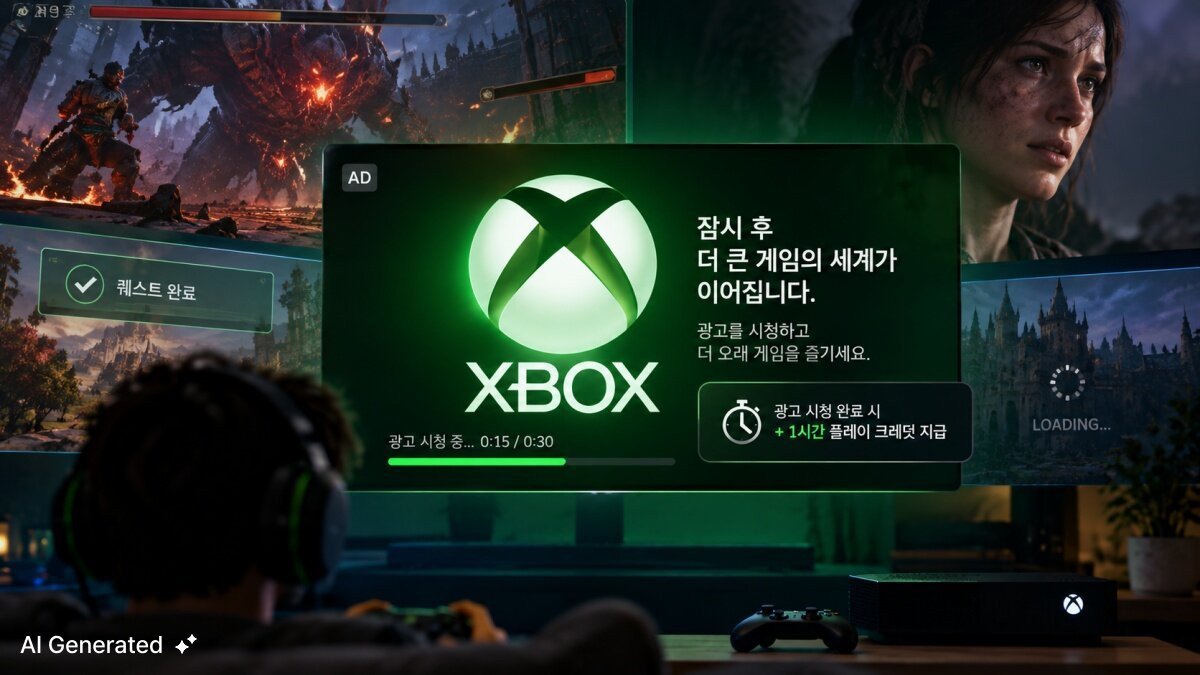
The patent describes a credit-based model where players earn ad-free gameplay time by watching advertisements. When a player's credits are about to expire, the game engine signals the ad system to identify a natural pause point—such as the conclusion of a boss encounter, quest completion, cutscene ending, loading screen, checkpoint, or menu entry. The game then pauses to display video, audio, or static advertisements. Once the player finishes watching, new credits are awarded and gameplay resumes.
Unlike simple timer-based ad systems, this approach relies on communication between the game engine and the ad platform. The system monitors both when players are naturally disengaged from active gameplay and their remaining credit balance to determine whether to display an advertisement. Credit durations specified in the patent range from 15 minutes to 1 hour, though the system also supports progress-based credits tied to specific achievements—such as completing five game rounds, finishing one level, winning three multiplayer matches, or defeating a particular non-player character.
Microsoft has not disclosed which games or services will implement this technology. However, the patent filing follows a July pilot program in which Xbox tested ad-supported access for Insider Program members, allowing them to stream owned games for up to one hour after watching up to two minutes of advertisements. This sequence suggests Microsoft is actively developing commercial ad-supported models for its gaming platforms.
The patent mirrors a similar approach filed by Sony in late 2024, though Sony's system focuses exclusively on loading screens and uses artificial intelligence to predict loading duration and select appropriate ad lengths. Sony's version also includes non-advertising content such as social clips, AI-generated highlights, and competitive analysis.
Community reaction to Microsoft's patent has been predominantly negative. Players have expressed strong resistance to advertisements interrupting gameplay, and existing Game Pass subscribers—who already pay monthly fees—have objected to the prospect of additional mandatory ads. Some observers have noted, however, that if Microsoft offers a lower-priced Game Pass tier funded by separate ad viewing, it could improve accessibility for cost-conscious players.
While filing a patent does not guarantee immediate implementation, the progression from the July streaming test to this patent application indicates that Microsoft is preparing to transform ad-supported access concepts into actual commercial products.