
Modders Use AI and NSA Tool to Port Classic Games to PC
 James Whitfield
2 min read
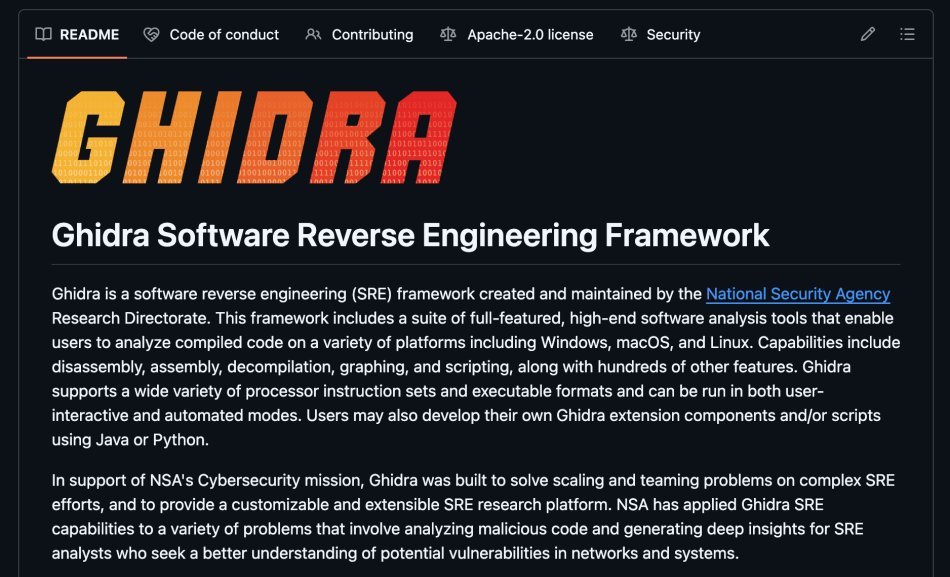
A growing movement in game preservation is using advanced reverse-engineering and artificial intelligence to transform vintage console and arcade titles into native PC applications that can run on modern systems and handheld devices like the Steam Deck.
At the heart of this effort is Ghidra, a free reverse-engineering tool originally created by the U.S. National Security Agency. The software allows developers to examine compiled programs without access to their original source code, analyzing machine instructions and generating more readable representations of how the software functions. However, Ghidra alone does not produce immediately usable code. Developers must still interpret its output, identify individual functions, rename variables, correct errors, and often manually rewrite sections before the program can operate on contemporary hardware.
This is where modern AI coding assistants enter the workflow. Reverse-engineered code typically contains generic function names, cryptic memory addresses, incomplete data structures, and low-level instructions that are difficult to parse. AI tools can analyze these functions, explain what different code sections accomplish, translate low-level operations into more readable formats, spot patterns, and help troubleshoot problems. Rather than replacing Ghidra, AI functions as a collaborative partner that accelerates the comprehension of decompiled code.
This approach differs fundamentally from traditional emulation. Conventional emulators simulate the behavior of older hardware while games run, whereas decompilation and recompilation examine the original executable, reconstruct or translate portions of its code, and compile it for modern systems. While some hardware-specific functions may still require compatibility layers, much of the original game logic can execute as a native PC application. This method also enables developers to integrate contemporary features including widescreen support, higher resolutions, improved control schemes, modding capabilities, and various quality-of-life enhancements.
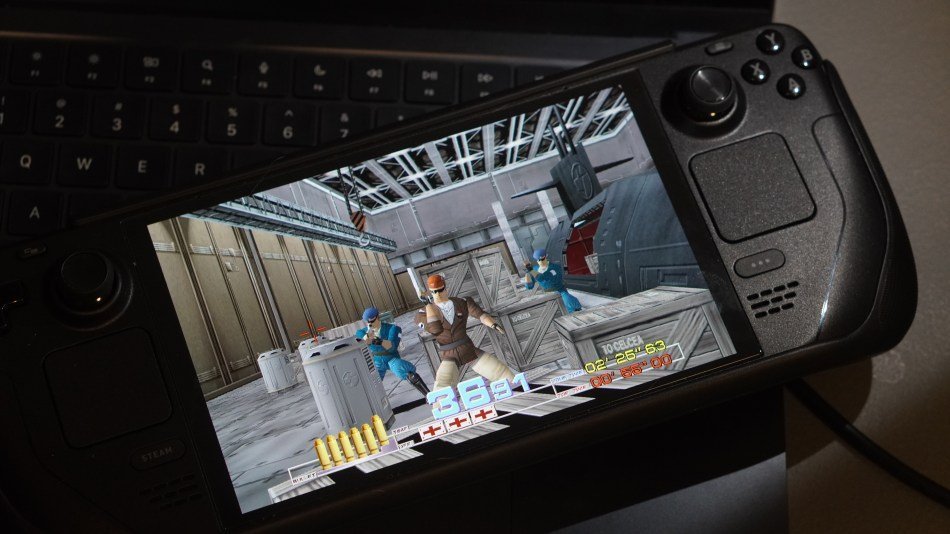
The Steam Deck and similar handheld PCs have made this trend particularly relevant. Rather than launching an emulator with multiple configuration steps, a native port can be installed directly into a game library and started like any standard PC application. This simplifies playing older titles on modern portable hardware while allowing developers to implement support for current controllers, display resolutions, and platform-specific features.
Decompilation and recompilation techniques existed long before generative AI became mainstream. Reverse-engineering tools like Ghidra were already assisting developers in understanding legacy software years before modern AI assistants gained widespread adoption. What AI contributes is accelerated processing of complex work. The streamlined workflow involves the original game being analyzed by Ghidra, developers reconstructing the code, AI assisting with interpretation and debugging, and finally producing a modern PC build.
Developers still require substantial technical expertise to validate AI-generated results, and the technology does not perform the entire process independently. However, when combined with reverse-engineering tools and skilled developers, AI can significantly reduce the time and effort required for these conversions. As these tools advance, the number of older games receiving unofficial modern ports may increase substantially, potentially giving classic titles a renewed presence on contemporary gaming platforms.




3 thoughts on “Modders Use AI and NSA Tool to Port Classic Games to PC”