Publisher Releases 29 Games in One Day—Can They Profit?
 James Whitfield
3 min read
James Whitfield
3 min read
A prolific Steam publisher made headlines this week by launching 29 games simultaneously, raising questions about the economics of rapid-fire game releases and whether such a strategy can actually turn a profit.
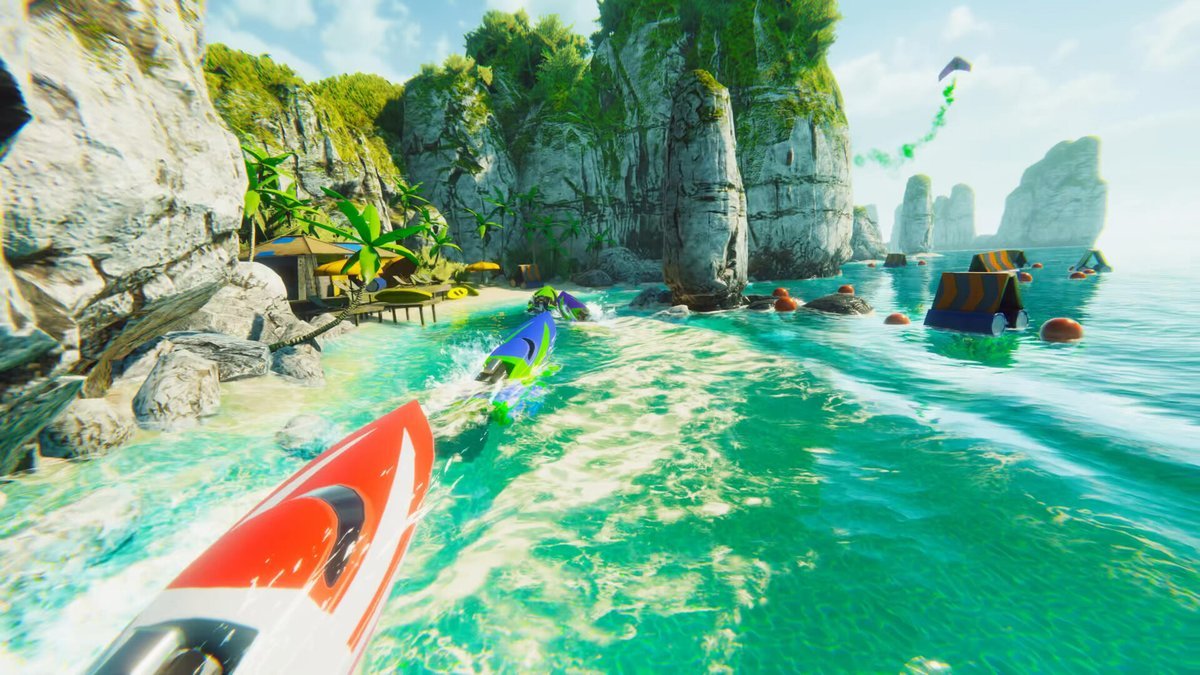
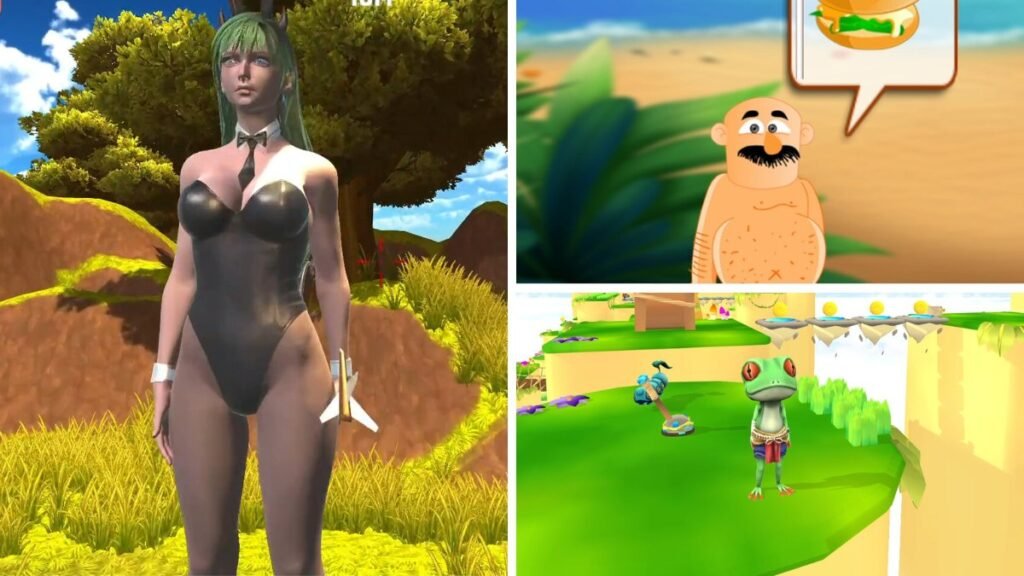
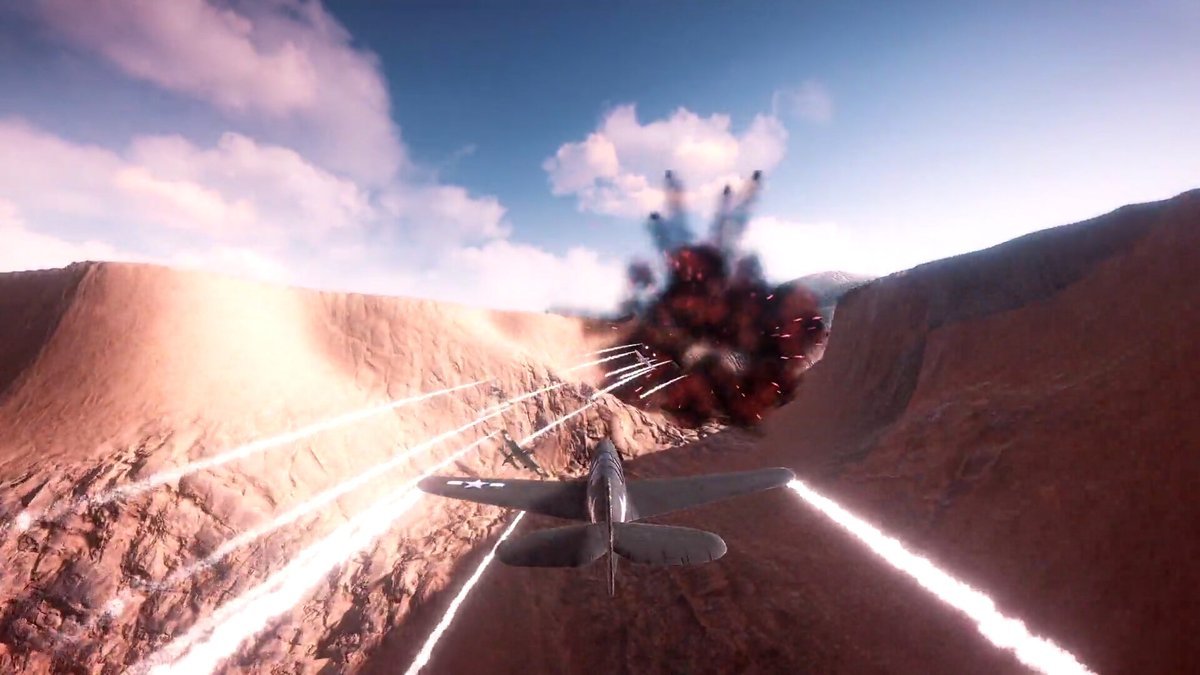
Hard Shark Games released all 29 titles on September 15, marking itself as both publisher and developer across the entire catalog. Every release entered Steam’s early-access program, with identical opening language in their store descriptions: “We’re launching in Early Access to involve the community from the very start.” The games span diverse genres including racing simulators, retail management sims, survival horror, sports titles, flight sims, and 2D platformers. This wasn’t Hard Shark Games’ first mass release either—the publisher previously released 29 games on March 4, using the same early-access messaging and identical update notes across multiple titles.
The financial math behind such releases is surprisingly straightforward. Publishing a game on Steam costs $100 per store page, a fee that becomes recoupable once a title generates more than $1,000 in adjusted gross revenue. For Hard Shark Games’ 29-game rollout, that represented a $2,900 upfront investment. Using the Boxleiter Method—an industry estimation technique that extrapolates sales from public Steam review counts—analysis of just three titles suggests the publisher may already be approaching profitability. Supermarket Life Simulator could have generated between $295 and $885, Pool between $926 and $2,780, and F1 Simulator between $562 and $1,686. Even using conservative low-end estimates, these three games alone generated approximately $1,783 in their first five days, covering more than 60 percent of the entire publishing outlay. If higher estimates prove accurate, the investment has already paid for itself.
However, the apparent low-effort nature of many releases raises questions about actual development costs. Several titles appear to rely on commercial Unity asset templates rather than original development. Supermarket Life Simulator, for instance, uses imagery identical to the $50 Checkout Frenzy template available on the Unity store, with Steam community reviews characterizing it as an asset flip. While using templates isn’t inherently problematic, the rapid release schedule and visual similarities across titles suggest minimal custom development work.
Despite the large number of releases, Hard Shark Games’ games attract minimal player engagement. The publisher maintains 217 total Steam listings—comprising 121 games and 96 demos—yet the highest concurrent player count ever recorded is just 13, achieved by a now-unavailable demo. This suggests the games function more as a volume-based revenue strategy than as titles designed to build lasting player communities.
Hard Shark Games isn’t alone in this approach. BFG Entertainment has released 555 games on Steam, while PlayWay, known for rapid-turnaround retail simulator releases, maintains 340 listings. The strategy appears viable for publishers willing to operate at scale with minimal per-title investment.
In broader Steam news this week, Wardogs claimed the top revenue spot in its early-access launch week, with players praising the multiplayer experience rather than criticizing typical launch issues. The Blood of Dawnwalker, which led revenue charts the previous week, dropped to tenth place, still a respectable performance for a single-player RPG. Meanwhile, Onimusha’s PC version ranked 13th this week, down from sixth place previously, suggesting stronger PlayStation sales for that title.
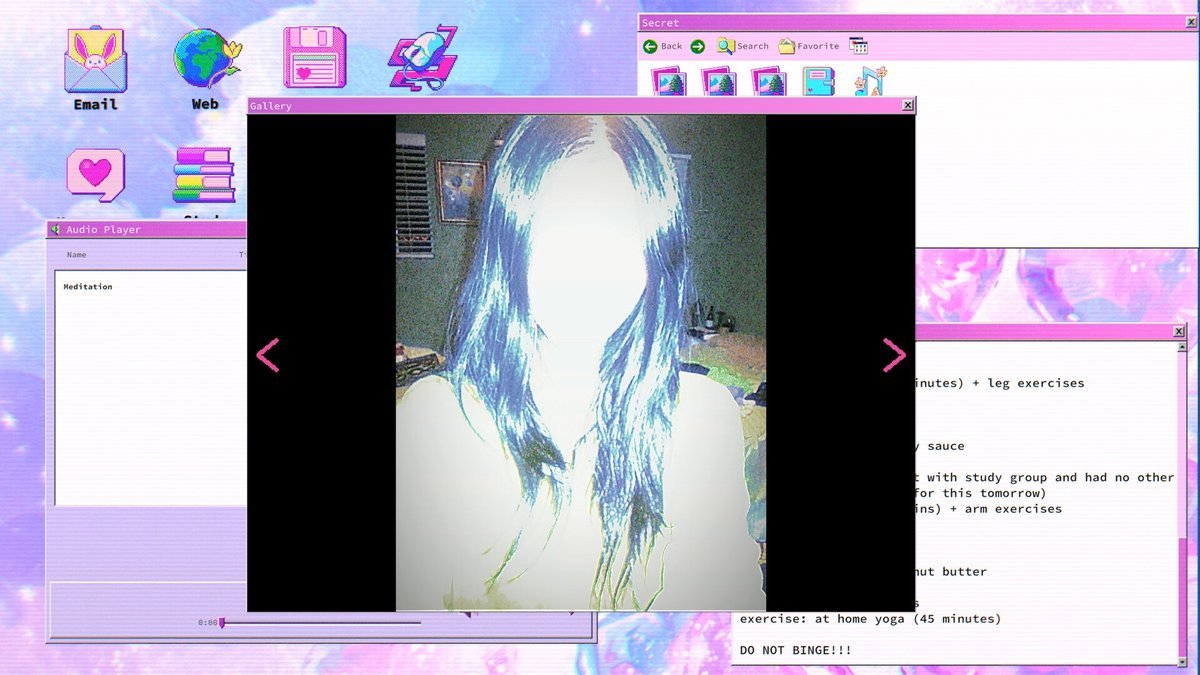
Among notable releases, Lily’s World XD arrived as a narrative mystery game set within a simulated 2004 operating system, following the template of games like Hypnospace Outlaw. The free puzzle game 20 More, Somehow Even Smaller, Mazes offered 20 maze challenges completable in roughly 30 minutes, building on the 6,500-review success of its 2024 predecessor. Dimraeth launched as a cooperative early-access action RPG featuring pixel art reminiscent of classic Mana titles, with development expected to continue for 18 to 24 months.