
Silent Hill: Townfall review
 James Whitfield
3 min read
James Whitfield
3 min read

Silent Hill: Townfall successfully blends classic psychological horror with innovative puzzle mechanics, establishing itself as a worthy entry in the franchise that proves the series' appeal extends far beyond its original setting.
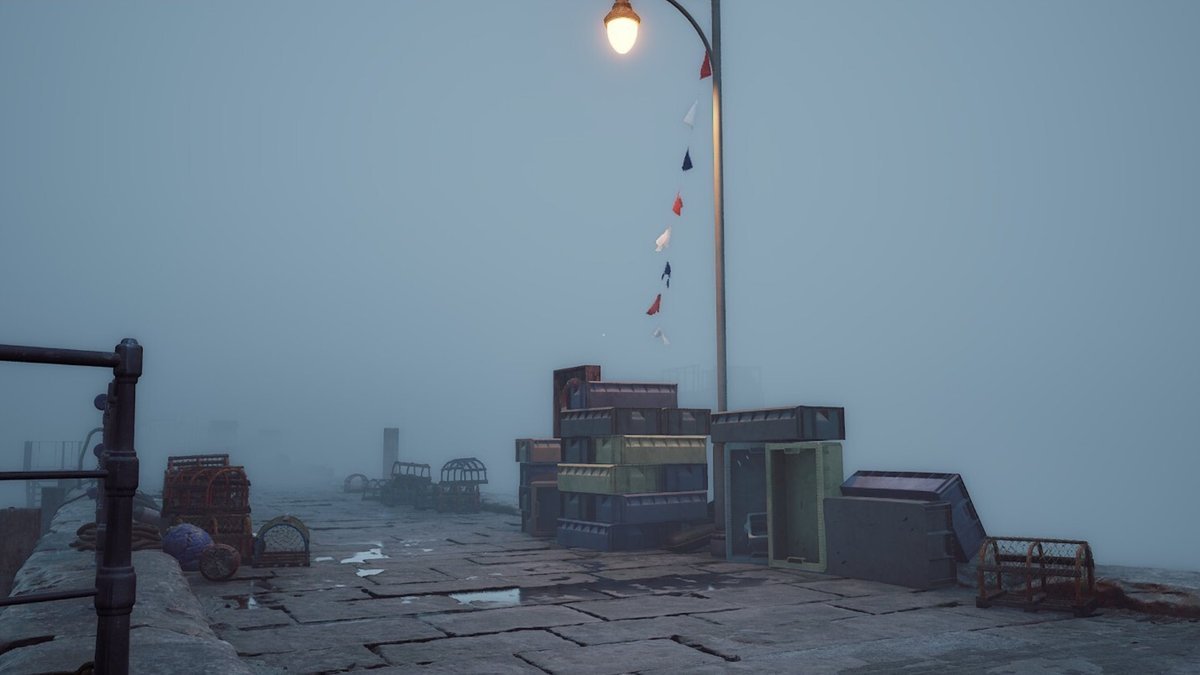
Developed by Screen Burn and published by Konami, this single-player horror game takes place on St Amelia, a fictional Scottish island where protagonist Simon Ordell awakens with no memory of how he arrived. Armed only with a medical bracelet bearing his name and vital information, Simon must navigate the fog-shrouded town, solve environmental puzzles, and uncover the truth behind his presence on this isolated community. The game launched on September 24, 2026, priced at $50 USD or £45 GBP on Steam.
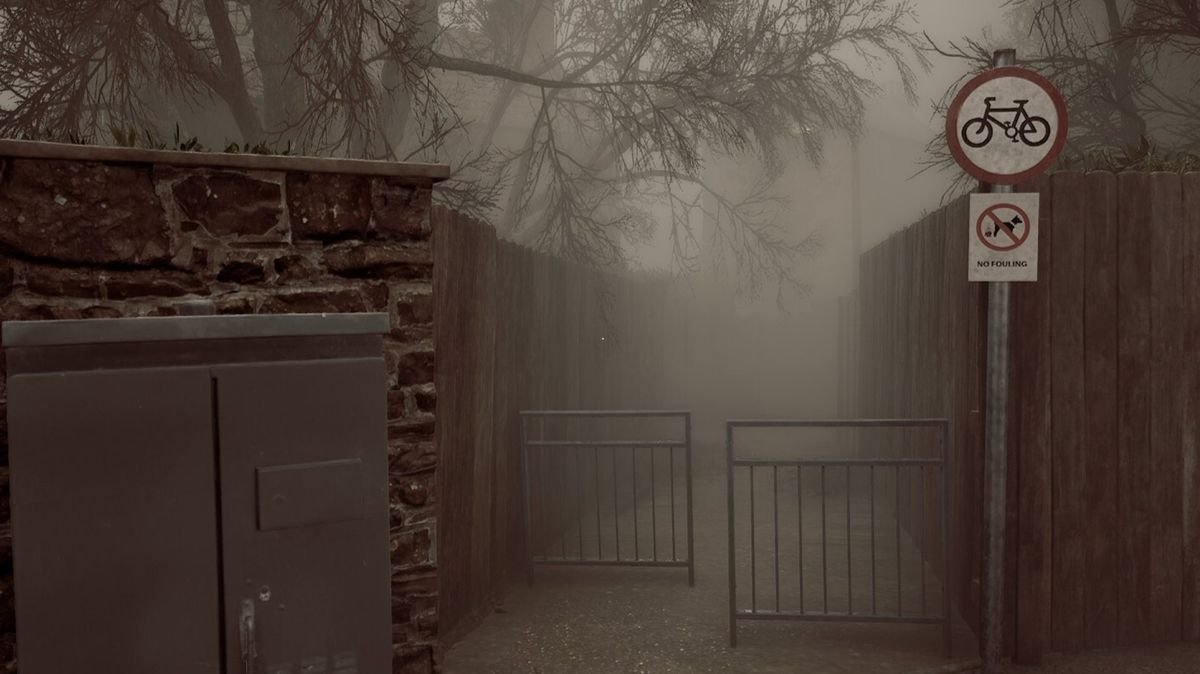
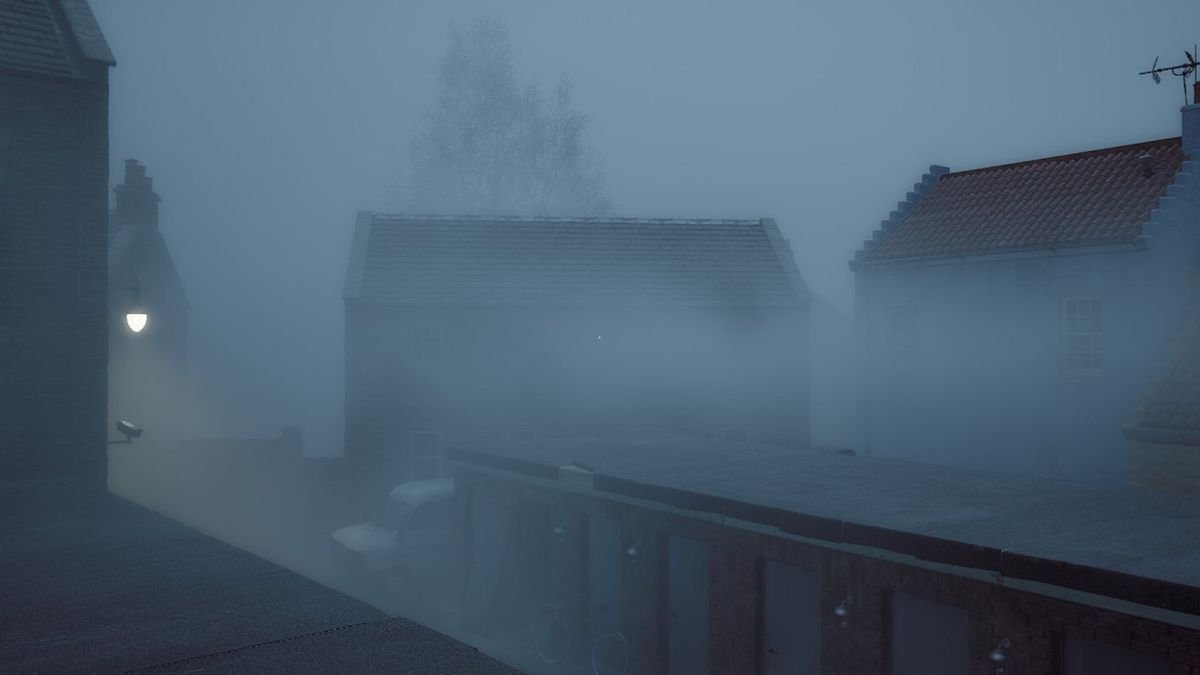
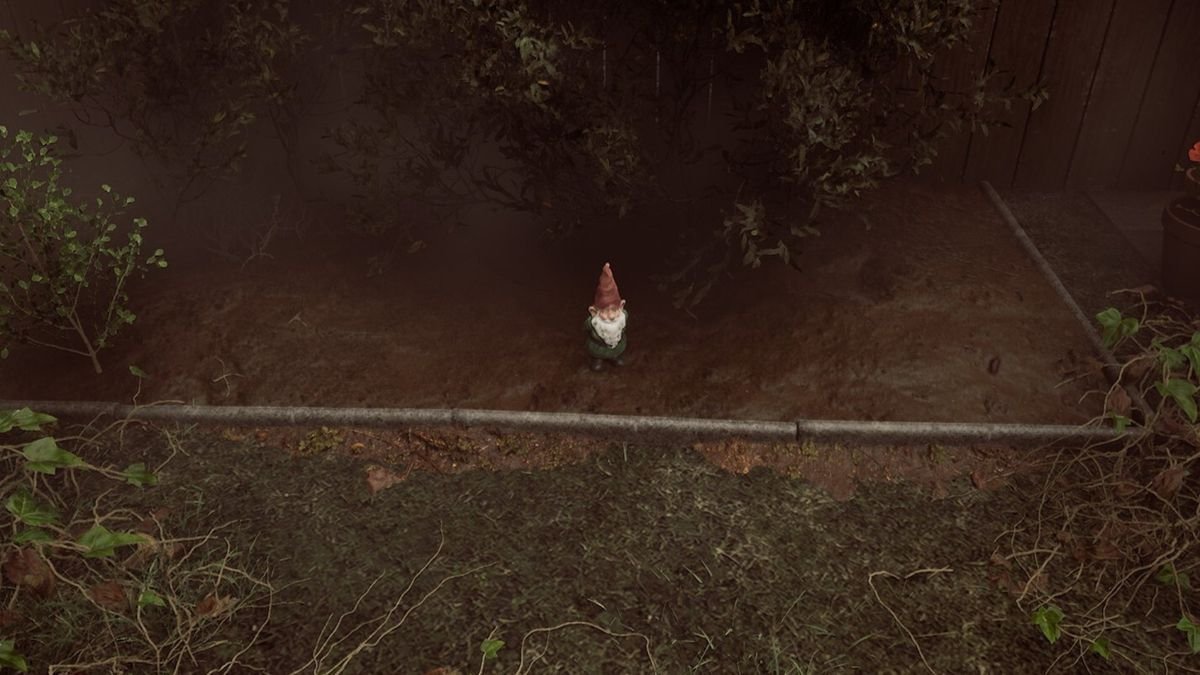
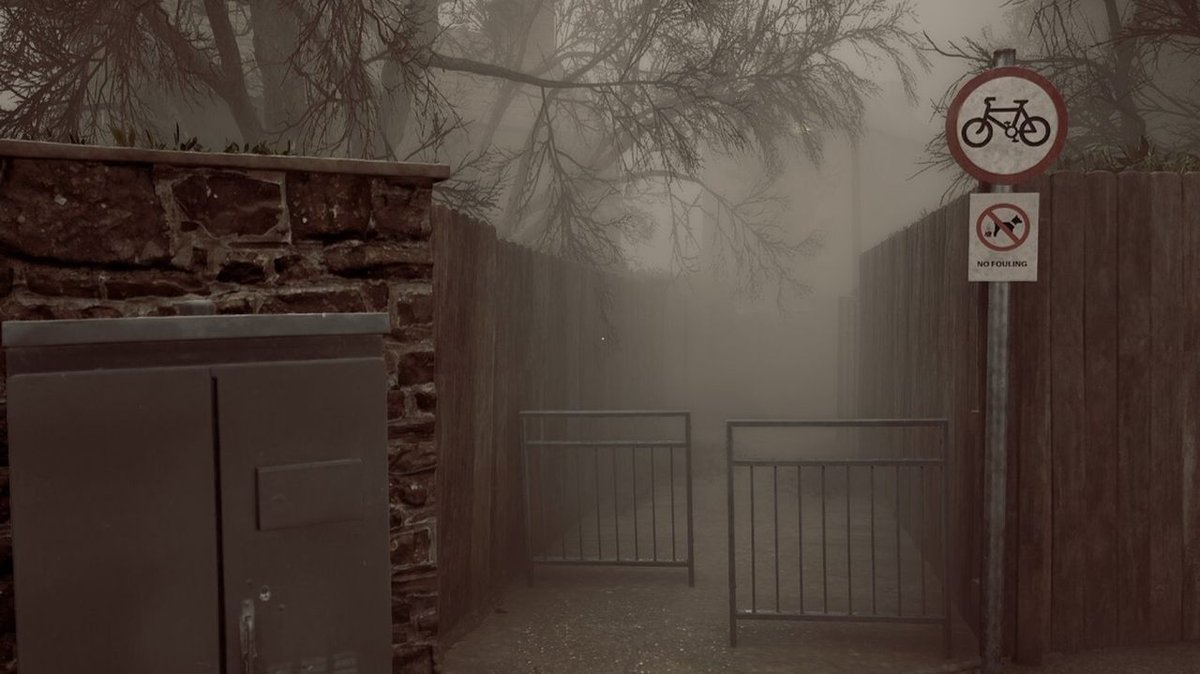
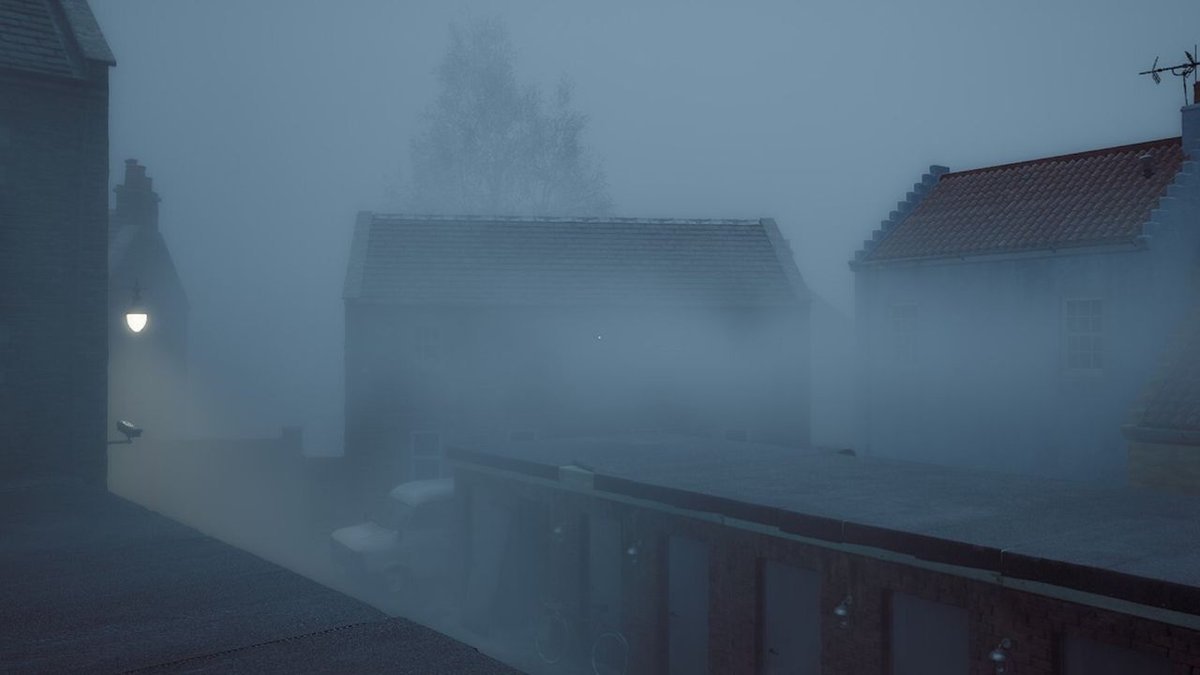
The setting itself becomes a character in the narrative. St Amelia feels authentically lived-in, with careful environmental storytelling that rewards exploration. Reading historical plaques about the island's fishing heritage, examining how locals have maintained their homes, and discovering the contrast between the town's historic core and its modern suburban sprawl all contribute to a sense of place that grounds the horror in something tangible. The developer demonstrates particular skill in making players care about a community before revealing the catastrophe that has befallen it. Beyond the old town, Simon ventures through a hospital, corporate offices, and the series' signature supernatural otherworld, with the entire experience spanning roughly 13 hours.
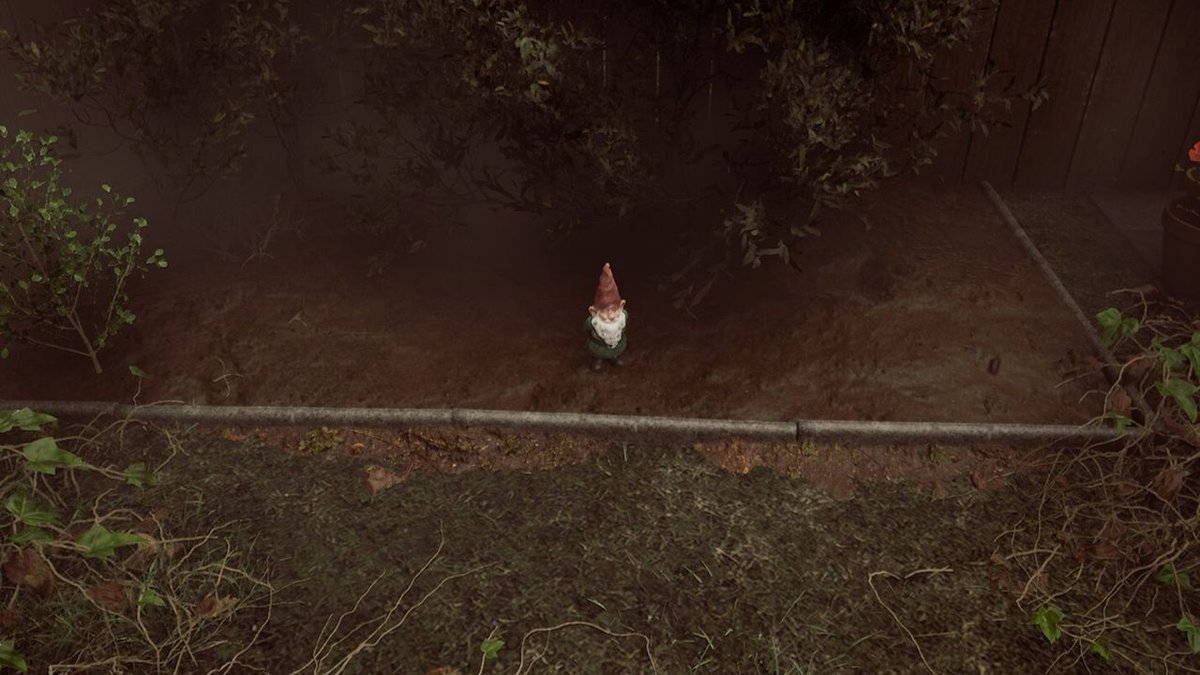
Puzzles follow Silent Hill tradition, requiring lateral thinking and careful observation of surroundings. Early challenges gently teach players to examine every detail, such as finding lock combinations in scattered letters. As the game progresses, difficulty increases subtly—by the time players encounter blood type clues on walls, they've internalized the puzzle logic. Some late-game challenges prove genuinely demanding, particularly a sequence involving morse code and lever manipulation that demands persistence and careful decoding.
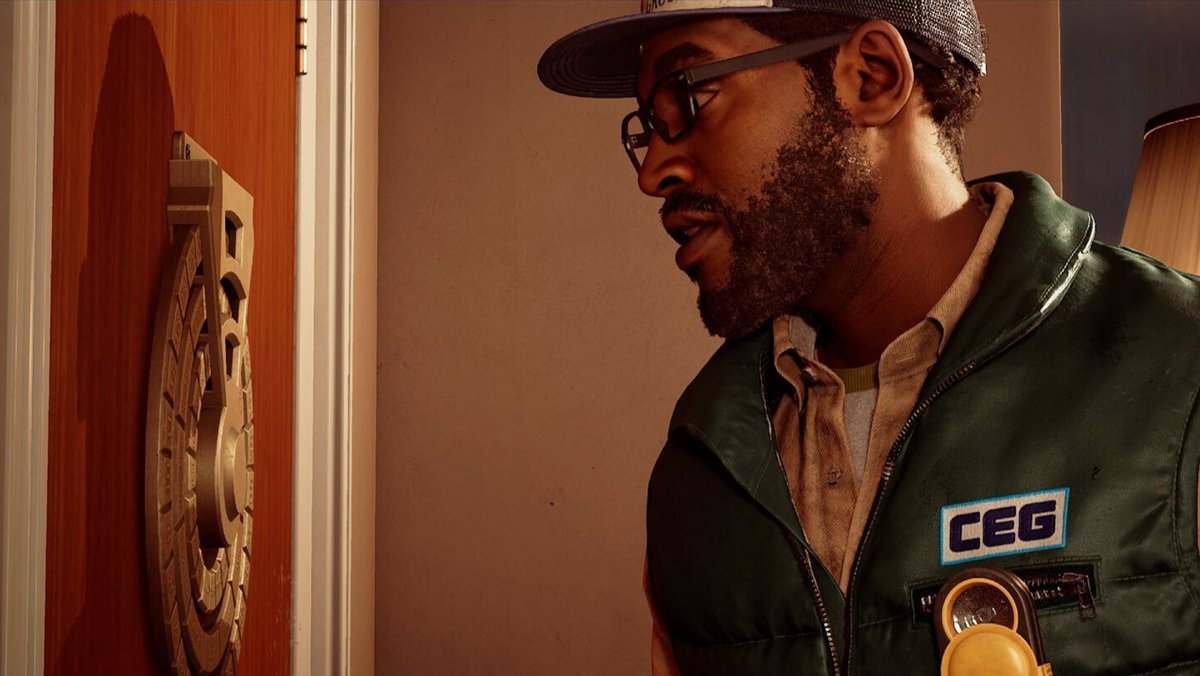

The standout innovation is the handheld CRTV device, a creative tool that allows Simon to see monsters through walls and obstacles. Rather than functioning as an overpowered cheat, the device has meaningful limitations: it doesn't always show precise distances, can't display multiple enemies on a single frequency, and requires toggling between channels to track different threats. This design transforms navigation into a puzzle itself, encouraging stealth over combat. Many players can progress deep into the game without direct monster encounters by using the CRTV strategically, making it arguably the most inventive puzzle-solving mechanic in the series.
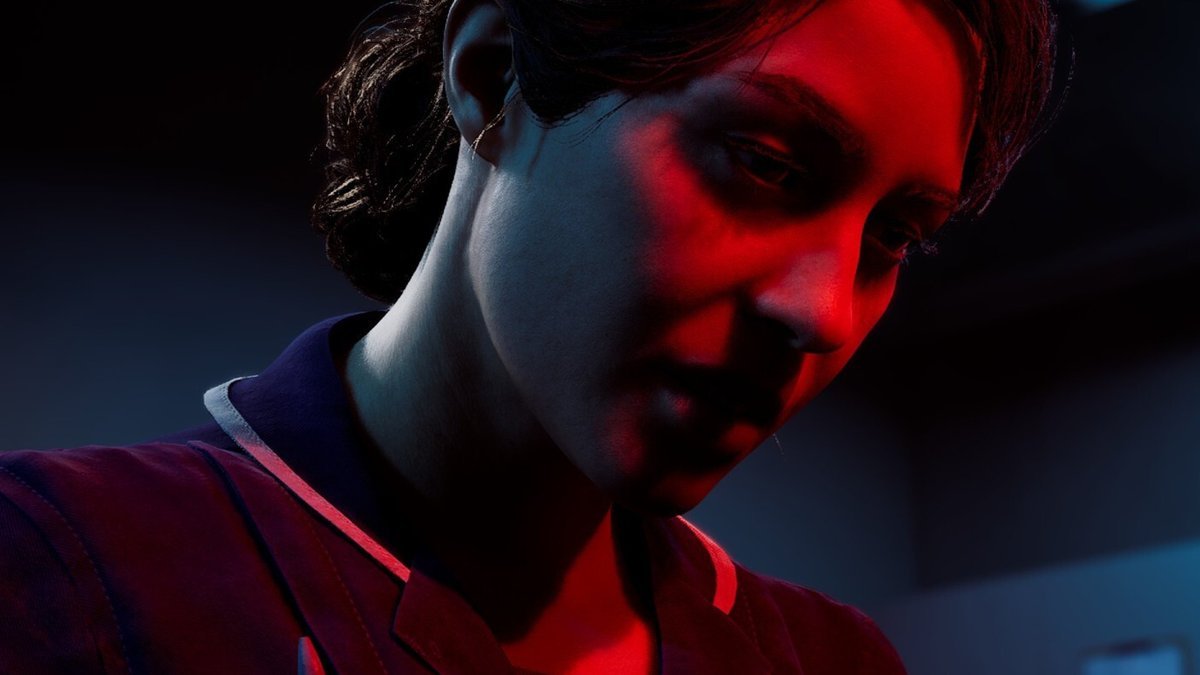
The narrative unfolds through multiple perspectives. Simon's story forms the backbone, but the game includes playable segments for two other characters—Zoe and Richard—who occupy the same supernatural space. Zoe's section, where players experience her role as a nurse responding to disaster victims, creates genuine stress through medical gameplay that forces emotional understanding of her guilt and trauma. Richard's storyline presents a contrasting character study, exploring willful ignorance against Zoe's wrongful guilt. These parallel narratives gradually reveal what curse binds all three characters and why they're trapped in St Amelia's fog. While Simon initially functions as a blank slate for player projection, his character develops significantly in the final act. However, the more developed personalities of Zoe and Richard somewhat overshadow him, making their limited screen time feel insufficient.
The story itself deals with a community-wide catastrophe that has left residents angry and traumatized. The mystery of what Simon did to become entangled in this disaster drives the narrative forward, with the game's three perspectives providing crucial context. The conclusion delivers satisfying answers while maintaining the psychological horror the series is known for, suggesting that Screen Burn thoroughly understands what makes Silent Hill compelling.
Tested on an RTX 3070 graphics card with an AMD Ryzen 5 5600G processor and 16GB RAM, the game demonstrates solid technical performance. Steam Deck compatibility remains unconfirmed. The game features no multiplayer component.
Silent Hill: Townfall proves that the franchise's appeal transcends its original mountain town setting. By combining atmospheric world-building, clever puzzle design anchored by the innovative CRTV mechanic, and multilayered storytelling that explores how different people experience the same tragedy, Screen Burn has created a game that honors Silent Hill's legacy while establishing its own identity. For horror fans seeking psychological depth alongside environmental puzzles and creature encounters, Townfall delivers a compelling 13-hour experience.