Roger Clark’s Real Colds Made Arthur Morgan’s Illness
 James Whitfield
2 min read
James Whitfield
2 min read
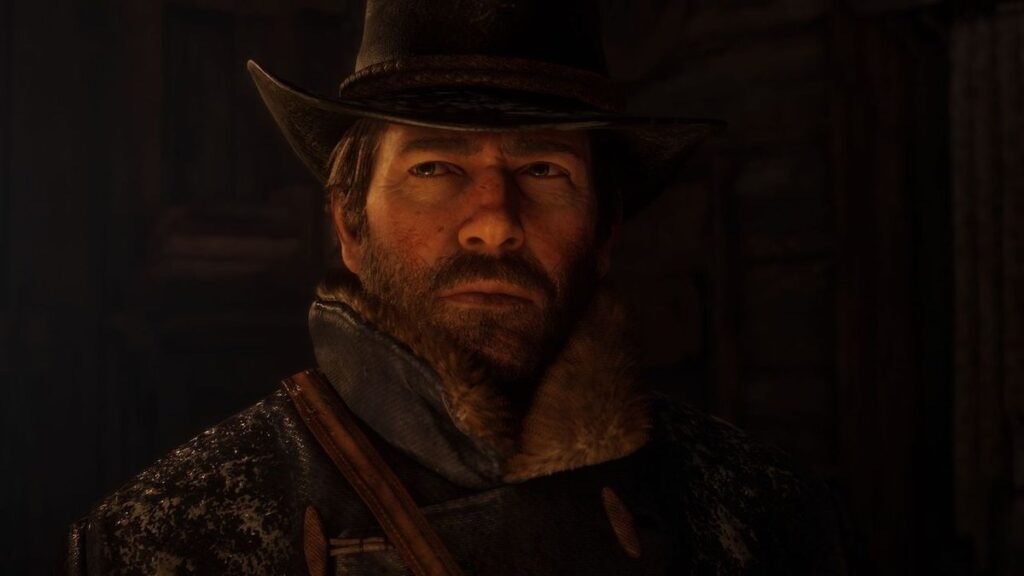
The tuberculosis diagnosis that defines Arthur Morgan’s arc in Red Dead Redemption 2 carries particular weight partly because actor Roger Clark deliberately recorded scenes while battling real illness.
In a recent interview, Clark revealed that he would intentionally perform dialogue during bouts of the common cold to capture genuine coughing and vocal strain. Over the game’s extended five-year recording period, Clark accumulated enough authentic illness recordings to lend credibility to Arthur’s deteriorating condition. When particularly demanding coughing scenes were needed, the production team would schedule them at the end of recording sessions to minimize the physical toll on the actor.
Clark explained his approach to capturing the character’s sickness: he would alert the production team whenever he was under the weather and volunteer to record scenes in that state. The result was dialogue and coughing fits grounded in real physiological responses rather than pure performance. This method acting extended beyond the scripted scenes—Clark’s genuine viral infections provided raw audio material that enhanced the character’s credibility throughout the game.
The actor downplayed concerns that the constant coughing would damage his throat, noting that the scenes were distributed across such a lengthy development cycle that no single recording session proved particularly taxing. The strategic scheduling of intensive vocal work ensured he could recover between takes.
Clark’s commitment to authenticity contributed significantly to Red Dead Redemption 2’s acclaimed storytelling. Arthur Morgan’s illness becomes a central emotional anchor for the narrative, and the genuine quality of his physical symptoms—the labored breathing, the involuntary coughs, the vocal deterioration—reinforces the gravity of his condition. Players experience Arthur’s decline not as theatrical performance but as something uncomfortably real.
The approach reflects the broader production philosophy behind Red Dead Redemption 2, which prioritized meticulous detail and immersive character work. Clark’s willingness to record while sick exemplifies the level of dedication that went into making the protagonist’s journey resonate with players, transforming what could have been a narrative device into a deeply affecting portrayal of illness and mortality.