
Shogun 2 Remaster Squanders Potential
 James Whitfield
3 min read
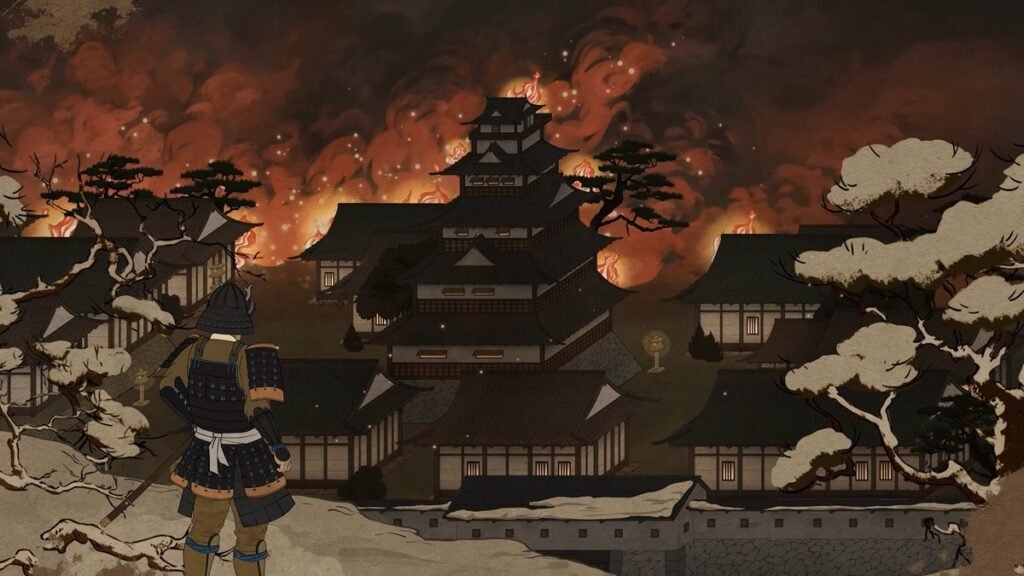
Creative Assembly's remaster of Shogun 2 arrives with modernized visuals and quality-of-life improvements, yet the studio appears to have left substantial opportunities on the table to truly elevate the classic strategy game for a new generation.
The remaster introduces 50 new minor factions to the campaign experience, but a critical oversight undermines their potential. None of these newly added clans receive unique passive bonuses or unit variations, meaning they function identically to existing minor factions aside from their geographical starting positions. This represents a missed chance to differentiate them from the minor faction unlocker mods that have long existed in the community. Testing the island-bound Honma clan revealed how location becomes the sole distinguishing factor. The trade system compounds this limitation, as it fails to account for single-region island factions—Honma could only establish trade with one other faction throughout an entire campaign, a problem that a straightforward quality-of-life adjustment could have resolved.
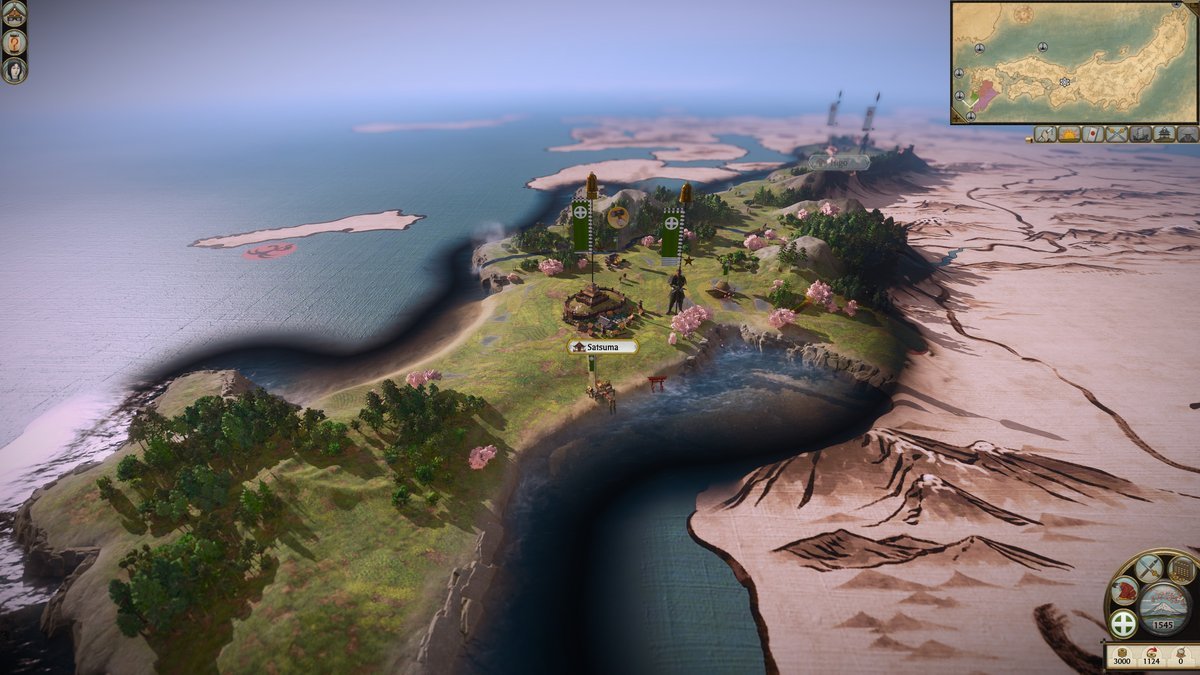
Beyond faction design, the remaster's feature additions prove inconsistent in their usefulness. The reworked "Realm Divide" difficulty options for late-game scenarios, enhanced visuals and terrain rendering, and modernized unit controls stand out as genuinely impactful improvements. The battlefield visual upgrades are particularly noticeable when compared directly to the original version. However, several new additions fall flat. The bird's eye battle view and region overlay went largely unused during extended playthroughs. A diplomatic quick deal feature, intended to streamline alliance and trade agreement formation, seems unnecessary for Shogun 2's more limited diplomatic interactions compared to games like Total War: Warhammer, which manages hundreds of factions. The feature's omission of marriage arrangement options—a key diplomatic tool in the original—further limits its value. A simple way to identify which factions have available marriage candidates would have provided genuine utility.
The remaster's failure to address longstanding gameplay frustrations proves more troubling than missing features. Shogun 2's attritional combat system, where unit upkeep remains constant regardless of remaining soldiers, would benefit enormously from a unit merge function. A numerical indicator showing army composition would eliminate tedious manual counting. Agents frequently become stranded in settlements or aboard ships rather than automatically rejoining armies, while enlisted generals inexplicably teleport back to the capital. These persistent annoyances accumulated over 15 years of player feedback, yet the remaster leaves them intact.
Technical issues that plagued the original also persist or resurface. Siege pathfinding remains problematic, and enemy artificial intelligence continues to struggle with basic tactical decisions. One notable incident saw a besieging enemy general freeze against a wall for 40 minutes—a bug never encountered in the original version. Naval combat remains plagued by overly cautious AI behavior, forcing players to traverse the entire map to engage enemy ships. The official bug fix list appears surprisingly sparse given 15 years of documented issues, and multiplayer desynchronization problems remain unresolved.
Despite these shortcomings, Shogun 2 remains an engaging strategy experience. The core gameplay loop of conquering rivals to become shogun, combined with the Fall of the Samurai expansion's late-period rifle and cannon warfare, retains its appeal. The remaster's improved controls and visual presentation enhance these experiences without fundamentally altering what made the original compelling. However, this quality stems from the base game's inherent design rather than the remaster's enhancements.
One genuine benefit arrives through the remaster's DLC approach. Previously paid faction packs—including the Christian Otomo, religiously-driven Ikko-Ikki, and cannon-equipped Saga from Fall of the Samurai—now come free with the Complete Edition. These specialized factions offer distinct playstyles that many players may experience for the first time, adding value for newcomers and lapsed fans.
The Complete Edition launches on Steam on October 13. Existing Shogun 2 owners receive a one-month 75 percent discount, while original game purchasers gain access to all legacy faction DLC at no cost. While any opportunity to revisit this classic deserves acknowledgment, the remaster ultimately feels less essential and more incomplete than it could have been, leaving behind numerous refinements that would have justified a more substantial update.




1 thought on “Shogun 2 Remaster Squanders Potential”