
Tech Founder Faces Backlash Over SF Tenderloin Shooter Game
 James Whitfield
2 min read
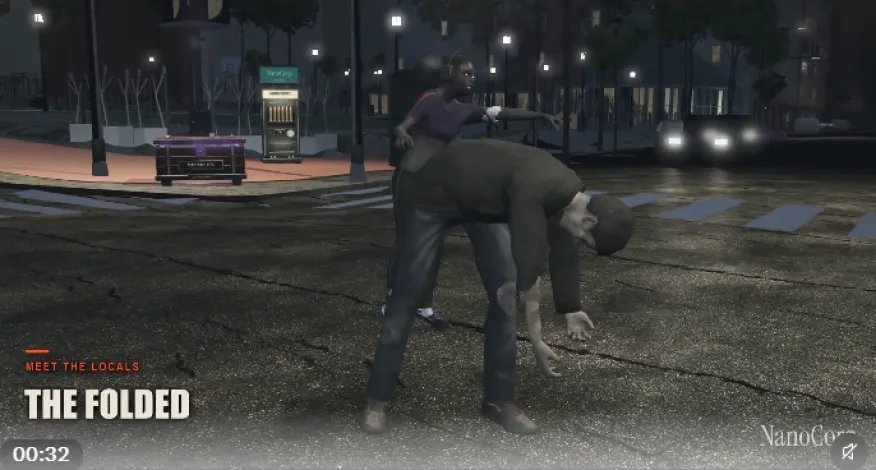
A Silicon Valley entrepreneur has come under fire for developing a web-based shooting game set in one of San Francisco's most economically disadvantaged neighborhoods. Pierre-Louis Biojout, who leads the AI startup NanoCorp, created Tenderloin Night Shift as a weekend coding project that mimicked the gameplay style of popular military shooters.
Biojout announced the game on social media, stating that since San Francisco had failed to address problems in the Tenderloin district, he had chosen to monetize the area by turning it into a zombie-themed game. He revealed that in-game advertisements had already generated $300 in revenue. According to local reporting, the game's "zombie" characters included depictions resembling a person using fentanyl and a Black security guard.
The project sparked immediate criticism from community advocates and city leaders. Jennifer Friedenbach, who heads the San Francisco Coalition on Homelessness, characterized the game as profiting from the degradation of primarily Black and Latino residents living in the city's poorest neighborhood. She objected to the framing of real people as targets for entertainment.
When confronted about the game's premise, Biojout clarified that he had not intended to depict actual residents as shooting targets. He also noted that the game included tech workers among its character types. However, the game has since been removed from NanoCorp's website, and Biojout deleted his original social media post announcing the project.
Other technology entrepreneurs joined the criticism, questioning how the game could be justified as anything other than simulating violence against vulnerable people. One founder directly challenged Biojout to explain the positive aspects of the concept. When pressed on whether the game was about addiction rather than zombies, Biojout maintained his original framing.
The controversy extended beyond criticism. Some social media users endorsed the game's premise, with comments suggesting the characters were not human and expressing intentions to use the game as preparation for visiting San Francisco. These responses highlighted the divisive nature of the project and raised concerns about how such content might reinforce negative attitudes toward homeless populations and people struggling with substance abuse.