
Two obscure 1990s Spanish arcade games arrive on Steam
 James Whitfield
2 min read
James Whitfield
2 min read
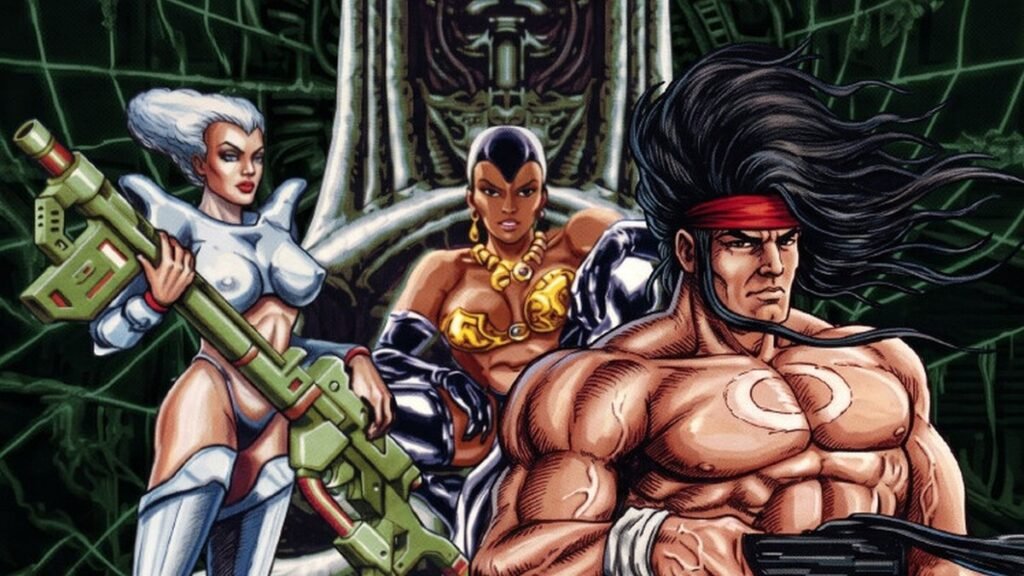
Two forgotten arcade titles from 1990s Spanish developer Gaelco are making their way to Steam this October, courtesy of retro specialist publisher QUByte Interactive. Thunder Hoop and Thunder Hoop: Strikes Back represent a slice of gaming history that remained largely unknown outside Spain until now.
The original Thunder Hoop launched in 1992 as a platformer centered on a teenage protagonist with the ability to blast enemies. The hero battles waves of mutants created by the antagonist Dr Genbreak across urban environments that follow the genre conventions of the era, complete with mandatory sewer and underwater sequences. The cartoonish monster designs and straightforward action gameplay typified arcade offerings of that period.

The 1994 sequel, Thunder Hoop: Strikes Back, significantly expands the formula. The protagonist ages into an adult version of himself and the game shifts toward heavier run-and-gun mechanics. The sequel introduces more elaborate enemy designs, including adversaries in latex outfits, and features a notable tonal shift midway through with a space-bound scrolling shooter segment that draws inspiration from games like Gradius. This stylistic pivot gives the sequel a more ambitious scope than its predecessor.
Both games have been enhanced for modern play. QUByte Interactive has included quality-of-life features such as save states and a rewind function, allowing players to undo mistakes without restarting entire sections. Customizable screen filters enable players to apply a cathode-ray tube aesthetic for those seeking an authentic retro visual experience.
Multiplayer options differ between the two titles. Thunder Hoop: Strikes Back supports local co-op play, letting two players tackle the action simultaneously. The original Thunder Hoop includes multiplayer functionality as well, though it operates on an alternating turn-based system rather than simultaneous play.
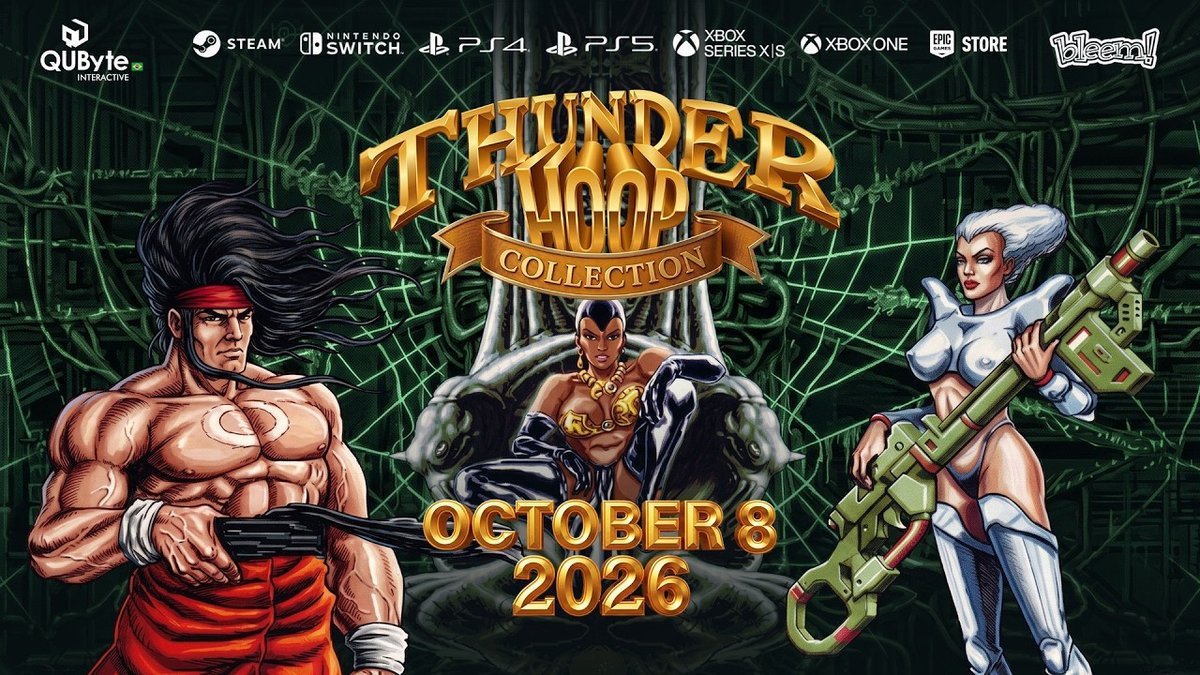
The Thunder Hoop Collection arrives on Steam beginning October 8. The release marks QUByte Interactive's continued effort to excavate overlooked arcade games from the 1990s and introduce them to contemporary audiences through digital distribution.