iPhone 18 Pro vs Pixel 11 Pro: Flagship Comparison
 James Whitfield
3 min read
James Whitfield
3 min read
Apple and Google's latest flagship phones represent refinement rather than revolution, with both the iPhone 18 Pro and Pixel 11 Pro delivering powerful performance, premium displays, and expanding artificial intelligence capabilities at comparable price points.
The two devices share fundamental similarities: OLED screens with 120Hz refresh rates, three rear cameras, and availability in standard and larger sizes. However, meaningful differences emerge in design philosophy, camera approach, and AI implementation. The Pixel 11 Pro starts at $1,099 for the base model, undercutting the iPhone 18 Pro's $1,199 entry price, though both larger variants begin at $1,299. Storage options max out at 1TB for Pixel and 2TB for iPhone.
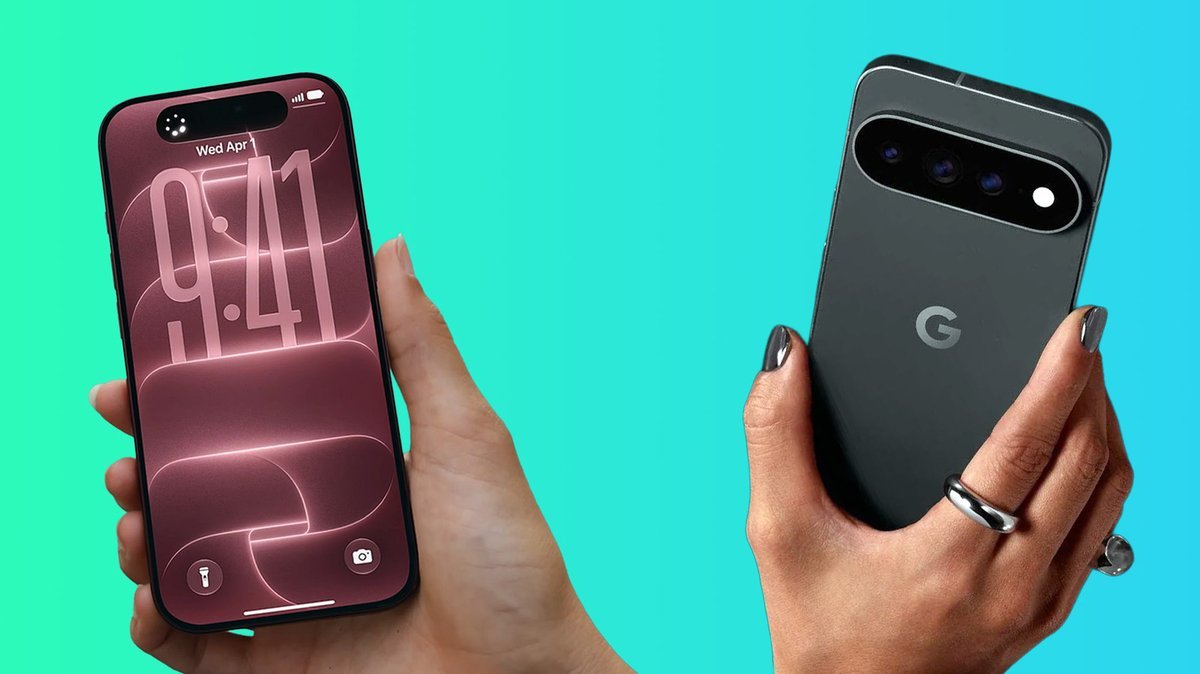
Design choices reflect each company's aesthetic priorities. Google's Pixel maintains its distinctive full-width camera bar while introducing edge-to-edge glass and a refined aluminum frame available in Canyon, Fog, Olive, and Obsidian finishes. The redesigned camera bar provides practical stability on flat surfaces. Apple's iPhone 18 Pro features a traditional aluminum unibody with Ceramic Shield backing, offered in black, silver, Glacier blue, and burgundy. Weight differences favor Google slightly, with the Pixel 11 Pro XL nearly nine percent lighter than the iPhone 18 Pro Max at 8 ounces versus 8.78 ounces.
Display technology shows minimal separation between competitors. Both feature 6.3-inch screens on standard models, with larger variants at 6.8 inches for Pixel and 6.9 inches for iPhone. Google claims 3,600-nit peak brightness compared to Apple's 3,000 nits, though different measurement methods complicate direct comparison. The Pixel added anti-scratch coating this year, while Apple brought back Ceramic Shield 2 with anti-reflective properties. Apple's smaller Dynamic Island now displays up to three Live Activities simultaneously, while Pixel's punch-hole camera remains more compact.
Camera systems diverge significantly in philosophy. Both phones pair 50MP or 48MP main sensors with ultra-wide and telephoto lenses, but Google increasingly relies on artificial intelligence for processing decisions—handling lighting, detail recovery, and enhancement automatically. Features like Instant Night Sight accelerate low-light capture, while Pro Zoom extends digital reach to 120x magnification. Apple prioritizes user control with a new variable-aperture main camera allowing manual adjustment alongside automatic modes. New manual controls for shutter speed and white balance cater to advanced photographers. Apple's Reference Image feature creates signed sensor data for authenticity verification against deepfakes. Video capabilities favor iPhone, offering 4K Dolby Vision at 120 frames per second, ProRes RAW, and professional-grade tools like genlock.
Artificial intelligence strategies reflect contrasting approaches. Google's Pixel 11 Pro runs Gemini Nano on-device with features like Rambler for voice-to-text cleanup and Magic Capture for automatic photo selection. The platform proactively suggests AI actions throughout the interface. Apple takes a narrower path, enhancing Siri to leverage personal context from messages, email, and photos for more relevant responses. Siri can perform cross-app tasks and identify objects through the camera. Apple developed some underlying models with Google collaboration, though Siri operates independently from Gemini. Apple's implementation launches in beta with initial EU unavailability and daily usage limits on server-based features.
Performance and battery specifications show different strengths. Google's Tensor G6 emphasizes faster app launches and on-device processing, while Apple's A20 Pro chip claims breakthrough sustained performance through expanded vapor chamber technology, benefiting demanding workloads like gaming and video editing. Battery ratings differ due to varying test methodologies: Google rates Pixel models for over 30 hours of use, while Apple claims 24 hours for iPhone 18 Pro and 30 hours for Pro Max. Fast charging speeds also differ, with Apple reaching 50 percent in approximately 15 minutes versus Google's 75 percent in roughly 30 minutes.
The choice between these flagships ultimately depends on existing ecosystem commitments rather than objective superiority. iPhone users with MacBooks, iPads, and Apple Watches find little reason to switch, as do those invested in Google's services and devices. For undecided buyers, the Pixel offers slight weight advantages and more aggressive AI integration into daily workflows, while iPhone appeals to users prioritizing professional-grade camera controls, video capabilities, and measured AI implementation. Both represent capable 2026 smartphones serving different user preferences without delivering a knockout argument for platform switching.