
Valor Mortis launches into October’s crowded release
 James Whitfield
2 min read
James Whitfield
2 min read
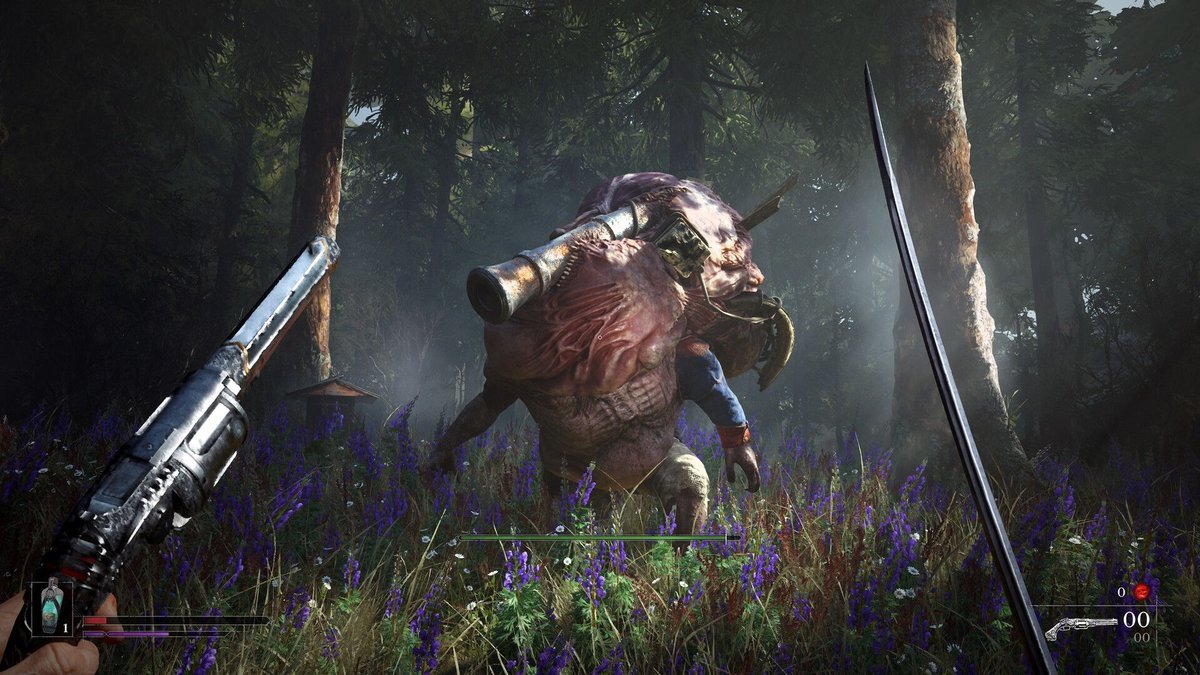
October has become an unexpectedly congested month for game releases, with publishers seemingly avoiding November entirely due to the impending arrival of Grand Theft Auto 6. This scheduling squeeze has created a competitive gauntlet that includes Ace Combat 8, Gears of War: E-Day, Star Wars: Galactic Racer, and Modern Warfare 4, alongside numerous independent and mid-tier titles ranging from a new Hellraiser game to Planet Zoo 2 and a Final Fantasy 2D-HD remake.
Into this fray steps Valor Mortis, a first-person soulslike developed by the team behind the Ghostrunner series. The game arrives October 13 and aims to carve out space among the month’s heavyweights through a combination of solid design and strategic pricing. A recent demo garnered positive reception, with players praising its approach to first-person melee combat—a notoriously difficult mechanic to execute effectively.
Publisher Lyrical Games has adopted a deliberate strategy to navigate the crowded landscape. Rather than competing directly with blockbuster pricing, the studio set Valor Mortis at $40, positioning it as a complementary purchase alongside more expensive releases. This approach reflects broader industry thinking about how mid-tier titles can coexist with major releases without directly competing for the same budget.
CEO Blake Rochkind acknowledged the challenge in a recent interview, noting that Valor Mortis represents one of the few new intellectual properties launching during the fall season. He emphasized the publisher’s confidence in the game while recognizing the necessity of accepting its role as an “and” game rather than an “or” game—something players could pick up in addition to other major releases rather than instead of them.
Rochkind cited a developer’s experience with a similarly priced title, explaining that the success came from embracing the “and” positioning rather than fighting against it. The philosophy suggests that players with disposable income for gaming can afford multiple purchases at different price points, and positioning a game as an accessible secondary option rather than a premium alternative may prove more commercially viable.

The November release calendar appears significantly lighter, with Nintendo’s Ocarina of Time remake as the primary competitor—a title that, like GTA 6, will likely discourage other publishers from launching nearby. This dynamic has essentially pushed the industry’s fall release window into a single month, creating both challenges and opportunities for games like Valor Mortis that arrive with solid mechanics and realistic market positioning.