
Monster Hunter Outlanders launches Oct. 29 with new
 James Whitfield
4 min read
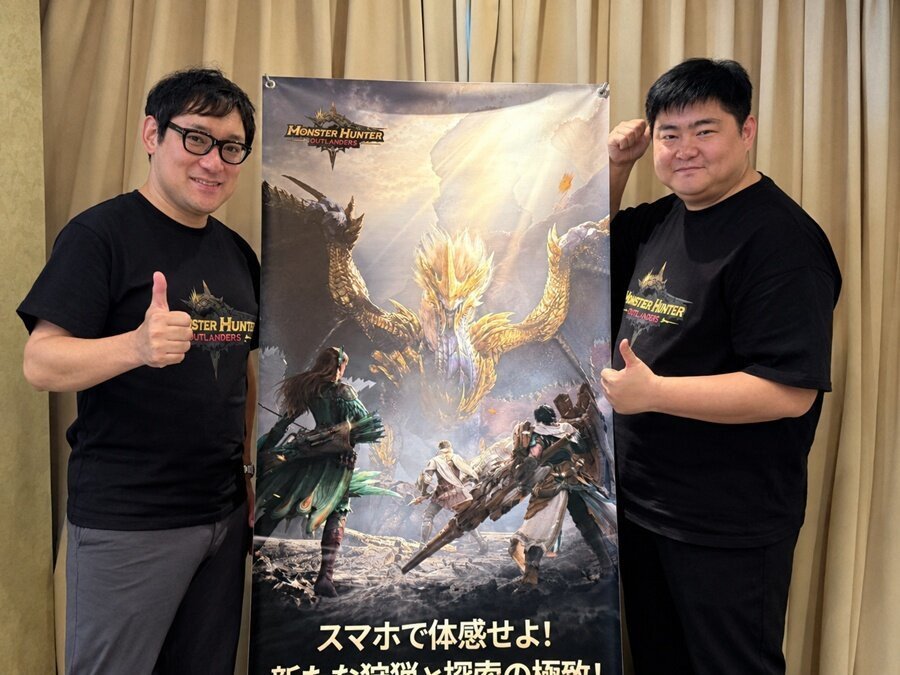
Monster Hunter Outlanders will arrive globally on October 29 across all regions except mainland China, bringing the franchise's signature action gameplay to mobile platforms. Developed by TiMi Studio under Capcom's supervision, the title represents a significant departure from traditional Monster Hunter entries by introducing a character-focused progression system centered around "Adventurers" rather than the classic "Hunter" archetype.
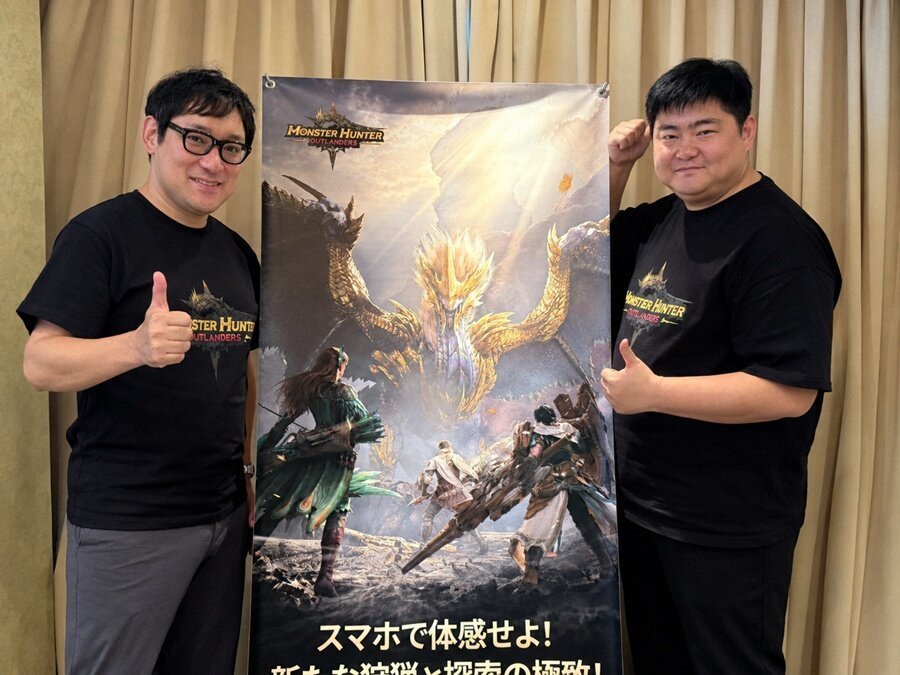
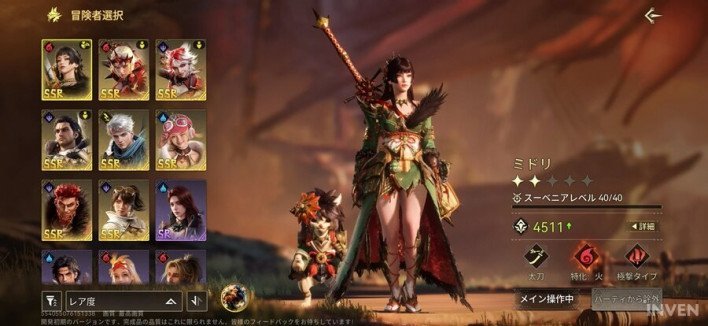
The shift from Hunters to Adventurers emerged from collaboration between Capcom and TiMi Studio during early development discussions. According to Capcom producer Ichiro Kiyokawa, the new character type was designed to support the game's unique mechanics, which include gathering resources in the field and constructing structures to aid movement and exploration. These Adventurers perform roles distinct from traditional Hunters, enabling gameplay possibilities that the original series did not explore. Each Adventurer features unique appearances, weapons, and skills, with companion characters providing additional support during hunts.
While Monster Hunter Outlanders inherits the world setting, technology level, character traits, and monster ecology from the original franchise, the story and challenges are entirely original. TiMi Studio producer Dong Huang explained that the narrative takes place in a new region and timeline within the Monster Hunter universe, allowing the developers creative freedom while maintaining franchise continuity. The game retains core Monster Hunter elements such as monster encounters and combat decision-making, but restructures progression around character development rather than complex equipment customization.
The equipment system underwent significant redesign compared to mainline entries. Rather than emphasizing gear combinations and decorations as the primary progression path, Monster Hunter Outlanders prioritizes character progression to lower the barrier to entry for new players. The traditional gear system remains present, but the focus shifts toward Adventurer growth and accessibility, allowing players to easily swap between characters without mastering intricate build mechanics.
Weapon animations and movesets vary substantially between characters using the same weapon type. A male Long Sword user named Ryunosuke, for example, employs distinctly different animations compared to female character Midori, who uses more traditional Long Sword movements. Ryunosuke was designed around the Long Sword's Spirit Gauge mechanic with an emphasis on supporting the entire party through buffs and meat-eating animations for energy recovery. This design philosophy produced lighter, more playful movesets that differentiate him from conventional Long Sword users while maintaining the weapon's core functionality.
During development, Capcom carefully supervised monster animations and ecology to ensure alignment with the original series, while granting TiMi Studio creative freedom in other areas. Radiant Species—stronger monster variants exclusive to Outlanders—received the same level of scrutiny as returning monsters. For certain animations where TiMi Studio employed expressions different from Capcom's standard style, the publisher allowed greater creative latitude, with development proceeding through open discussion between both studios.
Role systems in Monster Hunter Outlanders divide characters into Assault, Disruptor, and Support categories regardless of traditional weapon associations. This structure addresses the reality that players may not always find party members matching every required role, allowing them to swap in appropriate Adventurers to adapt to team composition needs. While Capcom and TiMi Studio respect the community perception that Sword and Shield and Hunting Horn function as support weapons in original games, future updates will reflect this understanding. Currently, seven of the franchise's 14 weapon types are available, with all remaining weapons planned for seasonal updates. The developers decided against creating original weapon types at launch, believing the existing 14 weapons offer sufficient appeal and versatility.
Player feedback from earlier test builds significantly influenced development decisions. Initial versions featured cinematic cutscenes for ultimate abilities, but testing revealed these interruptions disrupted combat flow—a critical flaw in a game emphasizing precise timing. The team tested three alternative formats: traditional full cutscenes, brief character art flashes, and dynamic camera presentations. The dynamic camera option received the strongest reception and became the default, though the final build will include all three options, allowing players to select their preferred style.
Controls received particular attention following playtester concerns about mobile input complexity. The Starting Mode provides an accessible control scheme for newcomers, while extensive customization options allow players to adjust button sizes, functions, and positions. Additionally, certain characters feature simplified inputs that combine multiple functions into single actions, reducing complexity without sacrificing depth. Developers rejected flick-based dodging due to potential conflicts with camera controls in larger combat arenas, instead addressing control difficulty through these three comprehensive approaches.
The main playable Adventurer received substantial buffs during the third closed beta test, improving combat strength and progression elements. This character serves as the game's protagonist and offers deep customization options, including visual modifications planned for post-launch updates. Unlike companion Adventurers with their own goals and responsibilities, the main character anchors the entire narrative while remaining versatile enough to adapt to any challenge or content. As a free character, the main Adventurer provides the foundation for player progression without requiring payment.
Monster Hunter Outlanders launches as a free-to-play title with post-launch updates planned to introduce new gear, Adventurers, monsters, companion characters, fields, scenarios, and gameplay elements. While specific update frequency remains unannounced, Capcom and TiMi Studio intend the game to serve dual purposes: attracting new players to the Monster Hunter franchise through accessible mobile gameplay and providing veteran fans a fresh experience through cooperative skills and Outlanders-exclusive roles. The game's landscape mobile format maintains action quality comparable to PC and console entries, positioning it as both an entry point for newcomers and a complementary experience for established Monster Hunter enthusiasts.



1 thought on “Monster Hunter Outlanders launches Oct. 29 with new”