
Nvidia Accused of Artificially Creating GPU Shortage
 James Whitfield
2 min read

Industry analysts are alleging that Nvidia engineered the current gaming GPU and memory shortage by redirecting manufacturing capacity toward enterprise customers who cannot actually deploy the hardware they are purchasing.
According to reports from industry analyst Ed Zitron and separate investigations by Bloomberg and Business Insider, the shortage stems not from a genuine silicon deficit but from Nvidia's strategy of pressuring major technology firms into accepting bulk orders of AI chips. The practice, known as channel stuffing, exploits corporate anxiety about missing out on the artificial intelligence boom to secure upfront payments for equipment that sits unused in warehouses.
The scale of the problem is substantial. Amazon's cloud division alone received approximately $5 billion worth of Nvidia chips in August, with ongoing monthly commitments of another $3 billion. However, internal documents obtained by Business Insider reveal that Amazon and other tech giants cannot actually use this hardware because power infrastructure upgrades and data center construction are progressing far more slowly than chip deliveries. Traditionally, Amazon avoids paying for equipment racks until they are installed in operational facilities, but the intensity of the AI boom has disrupted this arrangement, forcing the company to absorb costs for hardware in transit.
The core issue centers on a fundamental mismatch: companies lack the electrical capacity and physical infrastructure to power and install the chips they have already purchased. Microsoft's CEO publicly acknowledged having chips sitting in inventory that could not be plugged in. Yet despite this acknowledged inability to deploy the hardware, the chips remain classified as scarce in the retail market. Analysts argue this apparent contradiction reveals Nvidia's role in manufacturing the shortage artificially.
The gaming sector has borne the brunt of this strategy. High-end consumer graphics cards rely on the same TSMC manufacturing nodes as enterprise AI chips. By allocating the majority of available silicon wafers to data center products and channel stuffing them into warehouses, Nvidia starved the gaming market of supply while maintaining record-breaking profit margins on enterprise sales. The resulting retail shortage drove consumer GPU prices to artificially elevated levels.
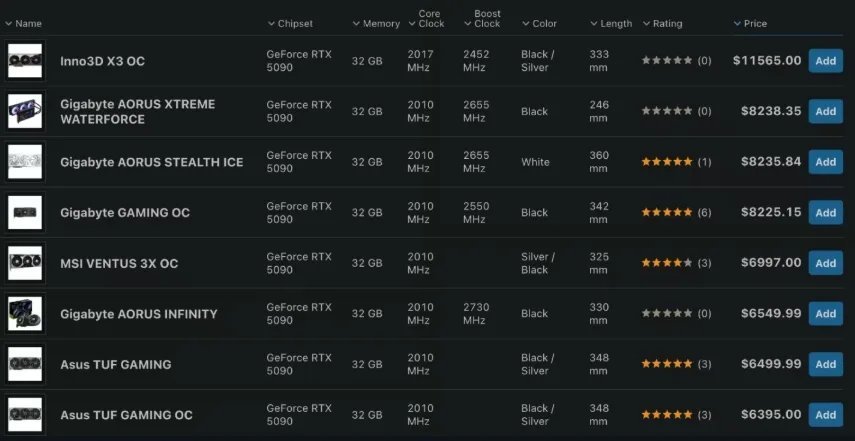
Nvidia's approach has generated pristine earnings reports in the short term, but industry observers warn the strategy is unsustainable. Tech companies face mounting pressure to demonstrate returns on billions of dollars invested in chips they cannot yet deploy. When capital expenditure limits are reached or when companies must account for idle assets, enterprise GPU orders could decline sharply, triggering a massive supply correction. Such a downturn would resemble the oversupply crisis that followed the cryptocurrency mining collapse.
Gamers face the prospect of reflecting on an entire generation where graphics card prices remained artificially inflated while millions of chips accumulated unused in American warehouses, all while the companies hoarding the hardware lacked the infrastructure to put them to use.